
Crypto Investment Calculator
Calculate your potential portfolio allocation and estimate the value of a Dollar-Cost Averaging (DCA) strategy based on current beginner guidelines.
Recommended Portfolio Breakdown
- Bitcoin (60%)
- Ethereum (30%)
- Altcoins/Stablecoins (10%)
Assets You Would Receive
- Bitcoin Quantity:
- Ethereum Quantity:
- Altcoin Quantity:
Imagine waking up one morning and realizing the money you set aside last year has doubled-or vanished entirely. That is the reality of cryptocurrency, a digital asset class that defies traditional banking rules. For beginners, this volatility can feel like walking on a tightrope without a net. But here is the truth: you do not need to be a tech wizard or a Wall Street veteran to start. You just need a clear plan and the right tools.
In 2026, the landscape has changed significantly from the wild west days of early crypto. Regulations are clearer, exchanges are more secure, and institutional adoption is mainstream. This means it is safer to enter the market now than ever before, provided you follow a disciplined approach. This guide will walk you through exactly how to invest in cryptocurrency as a beginner, step by step, so you can build wealth without losing your shirt.
Understanding the Basics Before You Buy
Before you spend a single dollar, you need to understand what you are actually buying. Unlike stocks, which represent ownership in a company, or bonds, which are loans to governments, cryptocurrencies are decentralized digital currencies secured by cryptography. They exist on a technology called blockchain-a public ledger that records every transaction across a network of computers.
The most well-known entity in this space is Bitcoin, often referred to as 'digital gold' due to its limited supply of 21 million coins. Then there is Ethereum, which powers smart contracts and decentralized applications. These two dominate the market, but thousands of other altcoins exist, each with different use cases ranging from gaming to finance.
Why does this matter? Because understanding the underlying technology helps you assess risk. Bitcoin is generally considered less risky than smaller, newer coins because it has the longest track record, the highest liquidity, and the strongest security network. As a beginner, sticking to established assets reduces the chance of falling for scams or worthless projects.
Choosing the Right Crypto Exchange
To invest, you need a place to buy and sell these assets. This is where a crypto exchange comes in. Think of it as a stockbroker, but for digital assets. Not all exchanges are created equal, so choosing the right one is critical for your security and ease of use.
When selecting an exchange, look for three key factors:
- Regulatory Compliance: Ensure the exchange is registered with financial authorities in your region. In New Zealand, for example, exchanges must comply with Financial Markets Authority (FMA) guidelines. In the US, look for SEC compliance or state-level licenses.
- Security Features: Does the platform offer two-factor authentication (2FA)? Do they store most funds in cold storage (offline wallets)? Have they suffered major hacks in the past?
- Fees: Trading fees can eat into your profits. Look for transparent fee structures. Some exchanges charge a flat fee per trade, while others use a maker-taker model based on volume.
Popular options include Coinbase, Kraken, and Binance. Coinbase is known for its user-friendly interface, making it ideal for beginners. Kraken offers lower fees and advanced trading features. Binance has a vast selection of coins but can be overwhelming for new users. Compare them using the criteria above to find the best fit for your needs.
| Exchange | Best For | Fee Structure | Security Rating |
|---|---|---|---|
| Coinbase | User Experience | Higher (~0.5-1.5%) | High |
| Kraken | Low Fees & Security | Lower (~0.16-0.26%) | Very High |
| Binance | Variety of Coins | Competitive (~0.1%) | High |
Setting Up Your Wallet: Security First
Once you have bought crypto, you need a place to store it. This is called a crypto wallet. Many beginners make the mistake of leaving their assets on the exchange. While convenient, this is risky. If the exchange gets hacked or goes bankrupt (as FTX did in 2022), you could lose everything.
There are two main types of wallets:
- Hot Wallets: These are connected to the internet. Examples include mobile apps like Trust Wallet or MetaMask. They are easy to use and good for small amounts you might trade frequently.
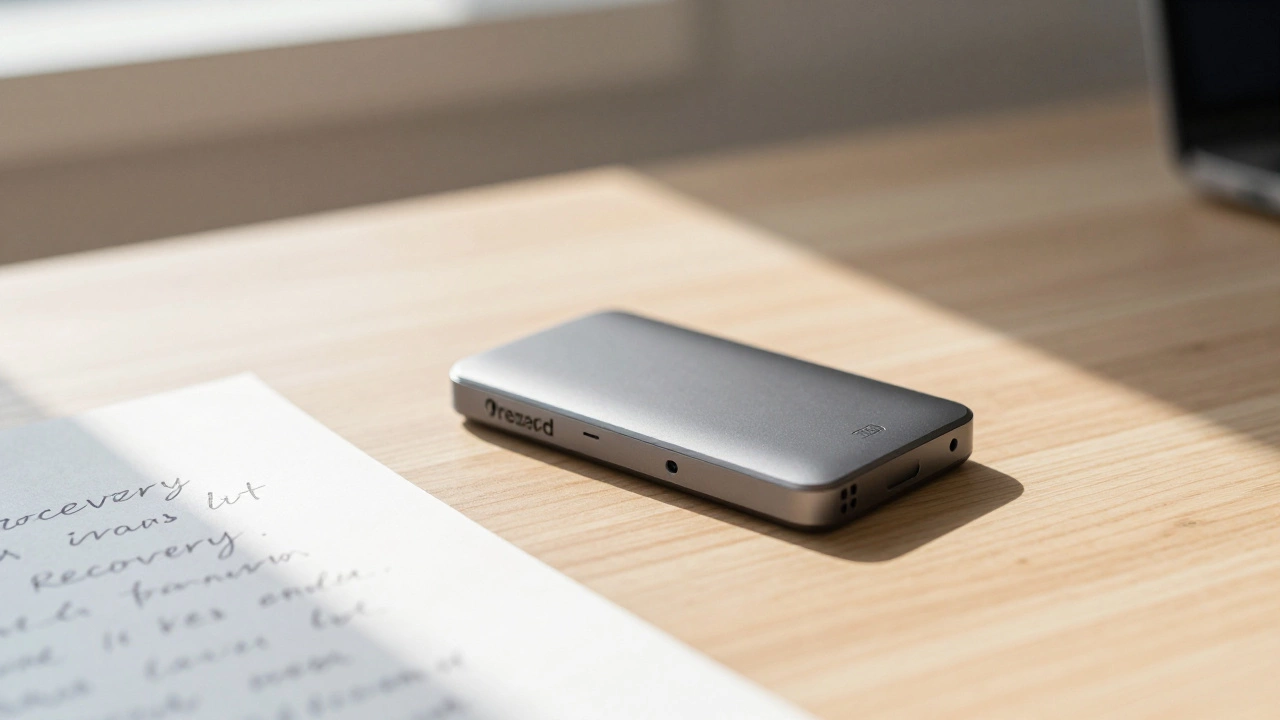
- Cold Wallets: These are offline hardware devices like Ledger or Trezor. They are much more secure because they are not exposed to online threats. For long-term holdings, a cold wallet is essential.
Here is a simple rule: if you are investing more than you can afford to lose, get a hardware wallet. The cost is usually between $50 and $150, a small price to pay for peace of mind. When setting up your wallet, you will receive a recovery phrase-a list of 12 to 24 words. Write this down on paper and store it in a safe place. Never share it with anyone, and never store it digitally. This phrase is the only way to recover your funds if you lose access to your device.

Developing a Smart Investment Strategy
Now that you have your accounts and wallets set up, it is time to decide how much to invest. Emotional trading-buying when prices are high out of fear of missing out (FOMO) and selling when they drop out of panic-is the fastest way to lose money. Instead, adopt a strategy called Dollar-Cost Averaging (DCA).
DCA involves investing a fixed amount of money at regular intervals, regardless of the price. For example, you might invest $100 every week into Bitcoin. When prices are high, you buy less; when prices are low, you buy more. Over time, this smooths out your average purchase price and removes the stress of trying to time the market.
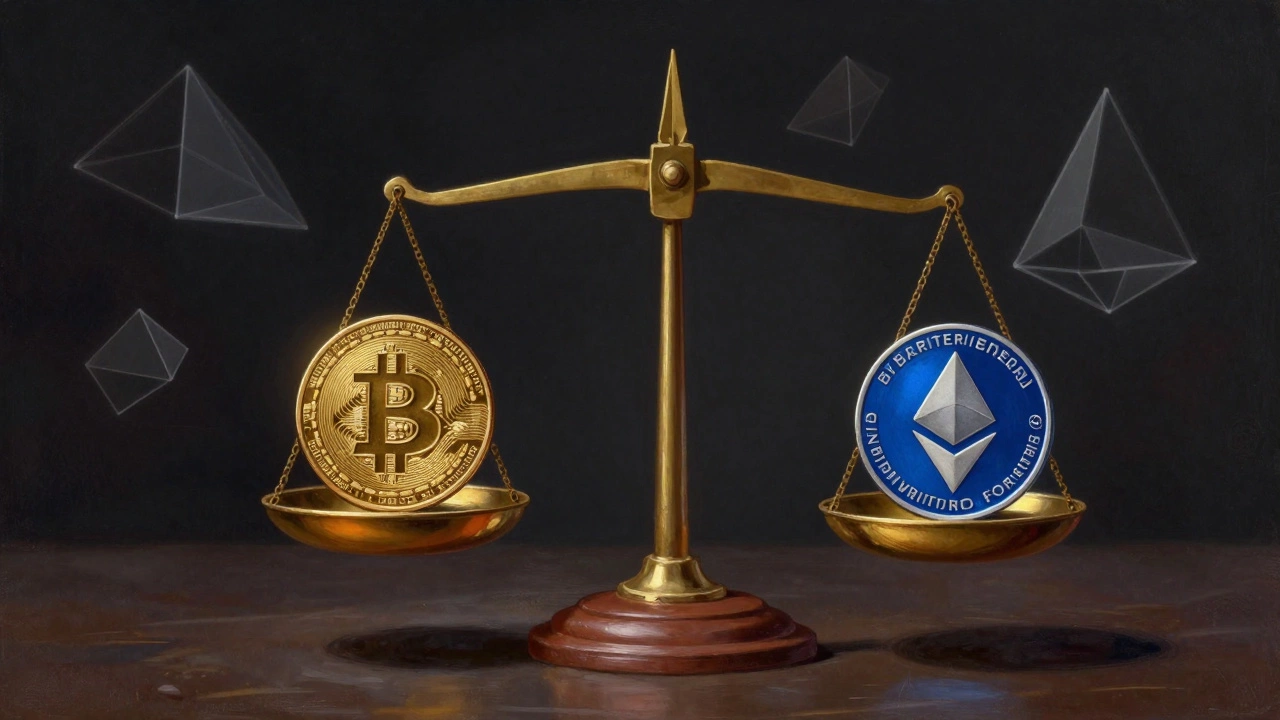
Another crucial aspect is diversification. Do not put all your eggs in one basket. A common beginner portfolio might look like this:
- 60% Bitcoin (BTC)
- 30% Ethereum (ETH)
- 10% Altcoins or Stablecoins
This allocation balances stability with growth potential. Bitcoin and Ethereum are relatively stable compared to smaller coins, while the 10% in altcoins allows you to explore higher-risk, higher-reward opportunities without jeopardizing your entire investment.
Avoiding Common Pitfalls and Scams
The crypto world is rife with scams. Phishing emails, fake investment schemes, and rug pulls (where developers abandon a project and take the money) are common. Protect yourself by following these golden rules:
- Never share your private keys or seed phrase. Legitimate support teams will never ask for this information.
- Be skeptical of guaranteed returns. If someone promises you 10% monthly returns with no risk, it is a scam. Real investing carries risk.
- Verify URLs. Always double-check the website address before logging in. Scammers create look-alike sites to steal credentials.
- Do your own research (DYOR). Do not buy a coin just because an influencer on social media recommended it. Read the whitepaper, check the team behind the project, and understand its utility.
In 2026, regulatory bodies are cracking down harder on fraudulent activities, but vigilance is still required. If something sounds too good to be true, it almost certainly is.
Tax Implications and Record Keeping
One area many beginners overlook is taxes. In most jurisdictions, including New Zealand and the United States, cryptocurrency is treated as property, not currency. This means every sale, trade, or expenditure of crypto is a taxable event.
You need to keep detailed records of:
- Date of acquisition
- Purchase price
- Sale price
- Date of disposal
Using specialized tax software like Koinly or CoinTracker can automate this process by connecting to your exchanges and calculating your capital gains. Failing to report crypto transactions can lead to hefty fines and legal trouble. Consult with a tax professional who understands digital assets to ensure you are compliant with local laws.
Next Steps for Your Crypto Journey
Starting your cryptocurrency investment journey does not have to be complicated. By choosing a reputable exchange, securing your assets with a proper wallet, and adopting a disciplined DCA strategy, you position yourself for long-term success. Remember, the goal is not to get rich quick, but to build sustainable wealth over time.
Begin small. Learn as you go. Stay informed about market trends and regulatory changes. And always prioritize security. The crypto market is volatile, but with the right knowledge and mindset, you can navigate it confidently.
How much money should I start with to invest in cryptocurrency?
You can start with as little as $10 or $20. The amount matters less than the consistency of your investments. Start with an amount you are comfortable losing, and gradually increase it as you gain confidence and knowledge.
Is it better to buy Bitcoin or Ethereum?
It depends on your goals. Bitcoin is seen as a store of value and is generally less volatile. Ethereum offers more utility through smart contracts and may have higher growth potential but also higher risk. Most beginners benefit from holding both.
Can I lose all my money in cryptocurrency?
Yes, it is possible. Cryptocurrencies are highly volatile, and some projects fail completely. To mitigate this risk, diversify your portfolio, avoid leverage trading, and only invest money you can afford to lose.
What is a cold wallet and why do I need one?
A cold wallet is a hardware device that stores your crypto offline, protecting it from online hackers. You need one if you hold significant amounts of crypto for the long term, as it provides the highest level of security.
Are crypto exchanges safe?
Reputable exchanges are generally safe, but no platform is immune to risks like hacking or bankruptcy. Always use strong passwords, enable 2FA, and consider moving large holdings to a personal cold wallet for added security.