
Who Qualifies for Student Loan Forgiveness in 2026?
Learn who qualifies for student loan forgiveness in 2026. We break down IDR and PSLF eligibility, common pitfalls, and specialized programs for teachers and nurses.
Feeling buried under bills? You’re not alone, and you don’t have to stay stuck. Debt management is all about creating a clear path out of the money maze, so you can breathe easier and plan for the future.
Every extra pound you spend on interest is a pound you can’t put toward savings, a house, or a holiday. When debt spirals, it also drags your credit score down, making it harder to get cheap loans later. Getting a handle on your debt isn’t just about clearing balances; it’s about protecting your credit health and giving yourself more financial freedom.
One of the quickest ways to see a change is to look at your budgeting habits. The 50‑30‑20 rule, for example, splits your net income into 50% needs, 30% wants, and 20% savings or debt repayment. It’s a simple framework that lets you see exactly where money is leaking and where you can push more toward debt.
1. Try Debt Consolidation – If you have several credit‑card balances, a consolidation loan can turn them into a single monthly payment, often at a lower interest rate. Banks do offer these loans, but only if you meet certain credit and income criteria. Check if you qualify before you apply – a higher credit score usually means better terms.
2. Compare Personal Loans vs. Consolidation – A personal loan can also be used to pay off multiple debts, but it works differently. Personal loans typically have fixed rates and terms, while consolidation loans may be tied to your existing credit‑card balances. Look at the total cost, not just the monthly payment.
3. Know What Lenders Look For – Approval isn’t as mysterious as it seems. Lenders check your credit score, debt‑to‑income ratio, and employment stability. If you’re worried about getting rejected, start by improving your credit score: pay bills on time, reduce existing balances, and avoid opening new credit lines right before you apply.
4. Watch Your Credit Score Impact – Taking a consolidation loan can temporarily dip your score because of the hard inquiry, but a well‑managed loan can boost it over time. Make sure you keep up with payments and don’t close old credit accounts, as that can hurt your score in the short term.
5. Avoid Common Pitfalls – Not all consolidation deals are good. Some come with hidden fees or higher interest after an introductory period. Always read the fine print and compare the Annual Percentage Rate (APR) across several lenders.
Finally, stay realistic about what you can afford. If a plan looks great on paper but stretches your budget thin, it won’t work in real life. Use a budgeting app or spreadsheet to track every expense for a month. When you see where the money goes, you can cut back on non‑essentials and redirect those funds toward paying down debt faster.
Take the first step today: list all your debts, note the interest rates, and decide if a consolidation loan or a personal loan fits your situation. Then, apply the 50‑30‑20 rule to free up extra cash for repayment. With a clear plan and a bit of discipline, you’ll watch the balances shrink and your credit score rise. It’s not magic, just smart moves.

Learn who qualifies for student loan forgiveness in 2026. We break down IDR and PSLF eligibility, common pitfalls, and specialized programs for teachers and nurses.

Struggling with $60,000 in debt? Learn practical strategies like the Debt Avalanche and Snowball methods, explore consolidation options, and discover tips to boost income and cut costs.

Discover the truth about US government debt relief programs. Learn why credit card bailouts are myths, how student loan forgiveness works, and when the IRS Offer in Compromise applies.

Discover the hidden costs of debt consolidation, including extended interest periods, credit score dips, and the risk of re-accumulating debt.

Learn how to get 100% student loan forgiveness through PSLF, IDR plans, and niche programs. Understand eligibility, tax implications, and steps to maximize your debt relief.
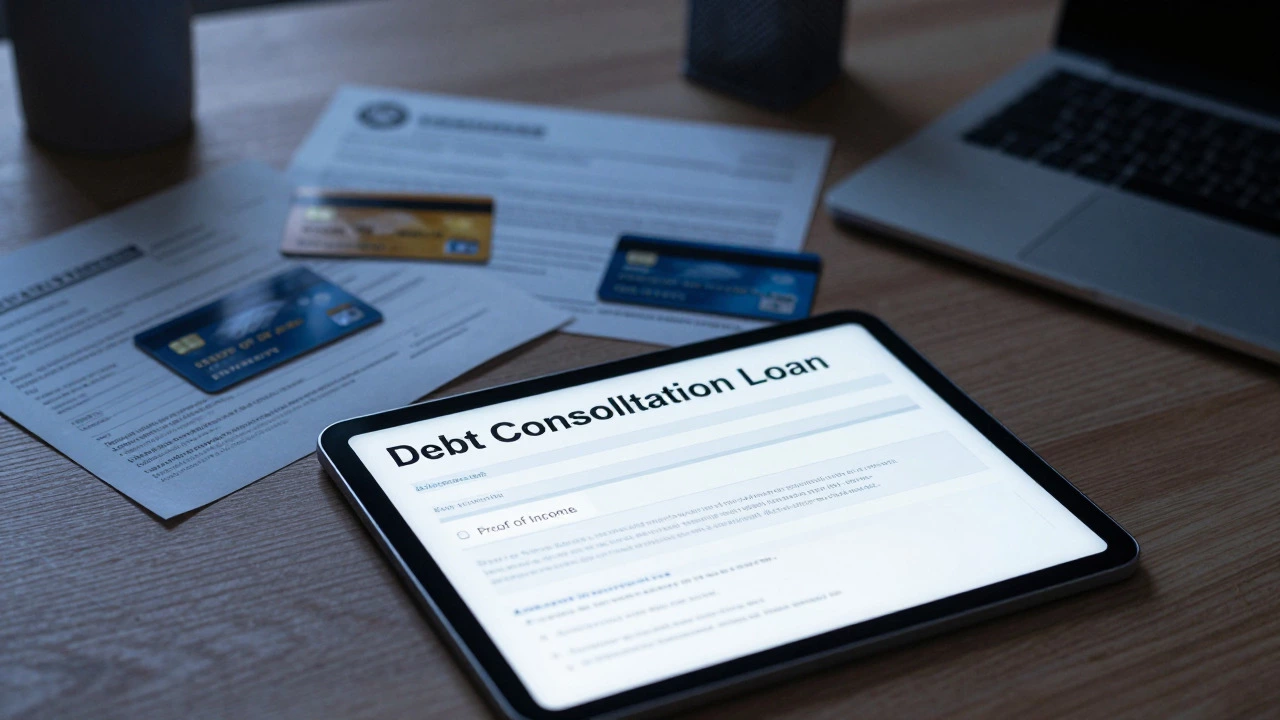
Most lenders require proof of income for debt consolidation loans to verify your ability to repay. Learn what documents are accepted, why DTI matters, and alternatives if you lack steady income.

Discover the hidden drawbacks of debt consolidation loans, including higher fees, secured risks, and psychological traps. Learn when consolidation fails and explore safer alternatives.

Discover the hidden risks of debt consolidation, including higher long-term costs, asset forfeiture, and credit score impacts. Learn how to avoid common pitfalls and choose the right financial strategy.

Facing loan rejections while trying to consolidate debt? Discover practical steps including debt management plans, creditor negotiations, and budgeting strategies to regain control without falling into predatory lending traps.

Find out the real consequences of not paying student loans, from credit score drops and tax refund seizure to wage garnishment, and how to fix it.

National debt relief isn't a government program-it's a marketing trick used by companies that often make your debt worse. Learn what actually works to reduce debt without scams, fees, or credit damage.

The 40-40-20 budget rule helps you tackle debt by allocating 40% of income to necessities, 40% to debt repayment and savings, and 20% to lifestyle. It’s a practical path out of financial stress without extreme cuts.