

Equity Release Cost Estimator
Estimate how much debt will accumulate on a Lifetime Mortgage and how it affects your remaining equity. Note: This tool models a standard Lifetime Mortgage where interest rolls up.
Your Details
Projected Outcome
Enter your details and click Calculate to see how compound interest impacts your equity.
You’re sitting on a goldmine. Your house has appreciated significantly over the last decade, and you have more space than you need. But your bank account doesn’t match that asset value. You might be thinking about equity release, a financial product that allows homeowners to access the cash tied up in their property without moving out. It sounds like free money, right? Wrong. It’s borrowed money with strings attached.
The question isn’t just "can I get the cash?" It’s "will this cash cost me my inheritance, my security, or my sanity later down the line?" Let’s cut through the jargon. Whether you are in Auckland looking at rising living costs or elsewhere dealing with retirement gaps, understanding the mechanics of unlocking home wealth is critical. This guide breaks down when it makes sense, when it’s a trap, and how to decide if it fits your specific life stage.
The Two Main Types of Unlocking Home Wealth
Before you sign anything, you need to know what you’re actually buying. Most people lump everything under "equity release," but there are two distinct products, and they work very differently.
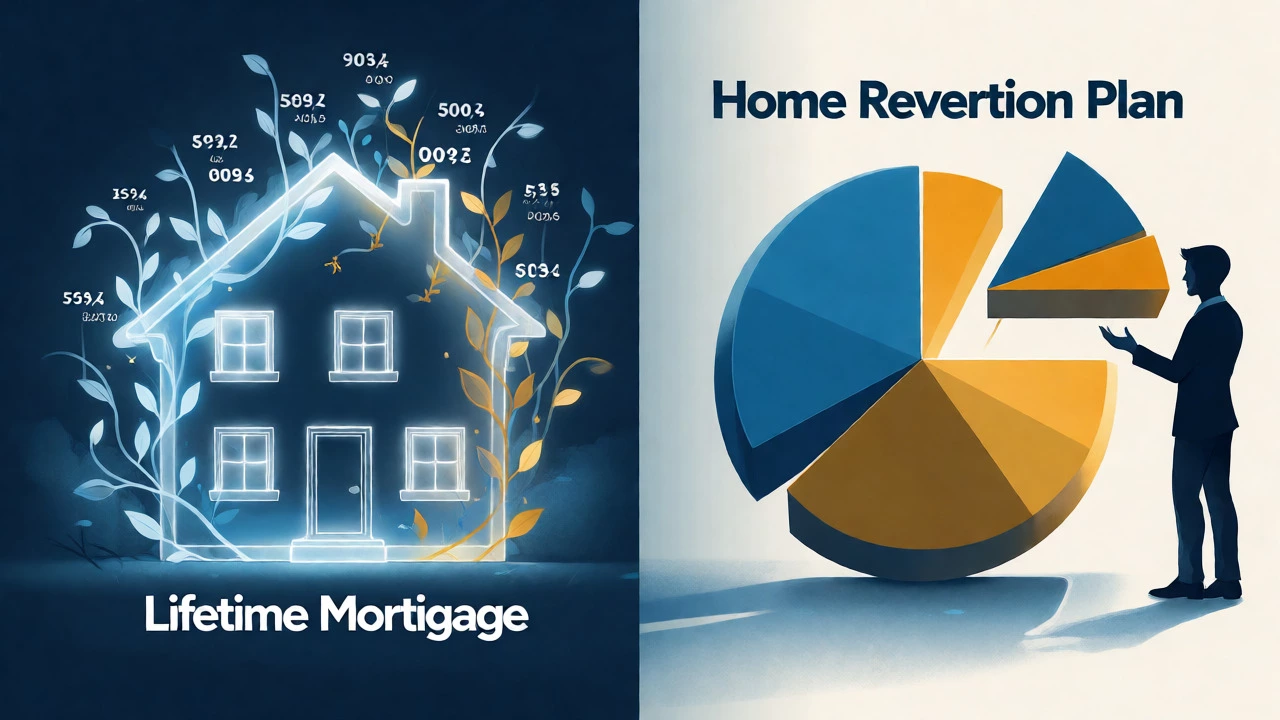
The first is the Home Reversion Plan. In this arrangement, you sell a portion of your home to a provider in exchange for a tax-free lump sum or regular income. You keep the right to live there rent-free for life, but you no longer own the full share.
The second, and far more common option globally, is the Life Time Mortgage (often called a Reverse Mortgage in places like New Zealand and Australia). This is a loan secured against your home. The lender pays you interest, which rolls up into the debt balance rather than being paid monthly. You retain 100% ownership until you die or move into long-term care.
| Feature | Life Time Mortgage | Home Reversion Plan |
|---|---|---|
| Ownership | You keep 100% | You sell a share (e.g., 30%) |
| Repayment | Debt grows with compound interest | No debt; you simply own less |
| Inheritance Impact | High (debt reduces estate value) | Moderate (children inherit smaller share) |
| Flexibility | Can make partial repayments | Less flexible once sold |
When Is It Actually a Good Idea?
It’s not about whether the math works on paper; it’s about whether it solves a specific problem better than the alternatives. Here are the scenarios where pulling equity from your walls makes strategic sense.
- Bridging Retirement Gaps: If you’re retiring early and have a gap before pension payments kick in, using equity to smooth out income can prevent you from selling investments during a market downturn.
- Home Improvements for Aging in Place: Installing a stairlift, a walk-in shower, or ground-floor bathroom renovations often costs less than moving to assisted living. If staying put improves your quality of life, the cost of borrowing might be worth the comfort.
- Helping Family Without Debt: Many grandparents use released equity to help children buy their first homes. Unlike lending cash you don’t have, this uses existing assets. Just ensure you document it clearly so it doesn’t become a family feud later.
- Paying Off High-Interest Debt: If you are carrying credit card debt at 18-20% APR, swapping that for a lower-interest lifetime mortgage (typically 4-6% fixed) can save thousands annually. But only do this if you stop accumulating new consumer debt.
The Hidden Costs That Bite Back
Here is the part sales brochures gloss over: Compound Interest. Because you aren’t making monthly payments, the interest is added to the principal. Next year, you pay interest on the original loan plus the previous year's interest. This snowball effect can double your debt in 10-15 years depending on rates.
Let’s look at a realistic example. Say you take out $100,000 at a 5% fixed rate. In 10 years, you won’t owe $150,000 (simple interest); you’ll owe roughly $162,889. In 20 years, that balloons to over $265,000. If your home only appreciates by 3% a year, your equity might shrink even as the property value rises.
Another major factor is the No Negative Equity Guarantee. Most regulated providers promise that you will never owe more than the value of your home when it is sold. However, this guarantee often comes with higher upfront fees or stricter terms.
Impact on Benefits and Taxes
If you rely on government support, cash is king-and too much cash can dethrone you. In many jurisdictions, including New Zealand and the UK, holding significant savings above a certain threshold can reduce or eliminate means-tested benefits like pension credits or housing allowances.
Tax implications vary by location. Generally, the money you receive is tax-free because it’s considered a loan proceeds or sale of an asset, not income. However, if you invest that cash and earn interest, that interest is taxable. Always check local rules. For instance, in New Zealand, there is no capital gains tax on a primary residence, which simplifies things compared to countries with CGT.
The Inheritance Dilemma
This is usually the biggest emotional hurdle. You love your kids, but do you want to leave them a debt-ridden house? Or perhaps you’d rather give them the money now while they can actually use it.
Consider the Gift and Loan Strategy. Some families choose to gift a portion of the released equity immediately. This reduces the estate size for inheritance purposes but removes the safety net for the homeowner.
Open communication is non-negotiable. Sit down with your heirs. Show them the projections. Explain why you need the cash. If they expect the full house value and you’ve eroded it by 40%, resentment can build quickly. A clear agreement prevents surprises when the house eventually sells to settle the estate.

Alternatives Before You Sign
Don’t jump straight to equity release. Explore these options first:
- Downsizing: Selling a large family home and moving to a smaller apartment often releases huge sums of cash. You might pocket $200k-$300k after taxes and moving costs, with no interest accruing.
- Standard Remortgage: If you still have a job or other income, a traditional mortgage or personal loan might offer lower total costs since you are actively paying down the principal.
- Selling Investments: Check your stock portfolio or bonds. Selling assets might trigger capital gains tax, but it avoids adding debt to your property title.
- Renting Out Rooms: If you have spare bedrooms, renting them out generates immediate cash flow without touching your equity.
Checklist: Are You Ready?
Before contacting a broker, run through this mental audit:
- Do I plan to stay in this home for at least 5-10 more years? (Short-term stays incur high exit fees).
- Have I shopped around for independent legal advice? (Never use the provider’s lawyer alone).
- Do I understand the rollover interest impact on my final estate value?
- Will this affect my eligibility for state-funded care or benefits?
- Have I discussed this openly with my family?
Frequently Asked Questions
Does equity release affect my credit score?
Generally, no. Because it is secured against your home and not repaid monthly, most lenders do not report it to credit bureaus as active revolving debt. However, if you default on mandatory obligations like insurance or maintenance, that could indirectly impact your financial standing.
Can I move out if I use equity release?
Yes, but the loan must be repaid in full when you permanently leave the property. This includes moving into a nursing home or selling the house. If you move temporarily, some plans allow you to remain liable for the debt, but you should check the specific terms regarding vacancy periods.
Is equity release safe from scams?
Regulated markets have strong protections, such as the 'No Negative Equity' guarantee. However, safety depends on choosing reputable providers and getting independent legal advice. Avoid any provider who pressures you to sign quickly or refuses to explain the total repayment amount.
What happens if house prices drop?
If your home value falls below the outstanding loan balance, you typically do not have to pay back the difference upon death or sale, thanks to the No Negative Equity Guarantee. Your estate would simply receive nothing from the sale proceeds.
Can I change my mind after signing?
There is usually a cooling-off period (often 14-30 days) after signing the contract where you can withdraw without penalty. After that, exiting the plan early may involve substantial Early Repayment Charges (ERCs), which can be a percentage of the loan amount.