
50/30/20 Budget Analyzer
Your Actual Spending
Analysis Results
Remaining: $0
Most people think budgeting means suffering. You imagine a spreadsheet full of red numbers, denying yourself coffee, and tracking every penny until you go mad. It’s no wonder so many folks abandon their budgets by the second week of January. The truth is, strict tracking fails because it’s too rigid for real life. What works isn’t complexity; it’s simplicity.
The secret to staying on track lies in three specific budget rules that have stood the test of time. These aren't just vague advice-they are structured frameworks designed to handle income, expenses, and savings without requiring a degree in accounting. Whether you are trying to pay off debt or build wealth, these three rules provide the skeleton your financial life needs.
Rule #1: The 50/30/20 Rule (The Balance Framework)
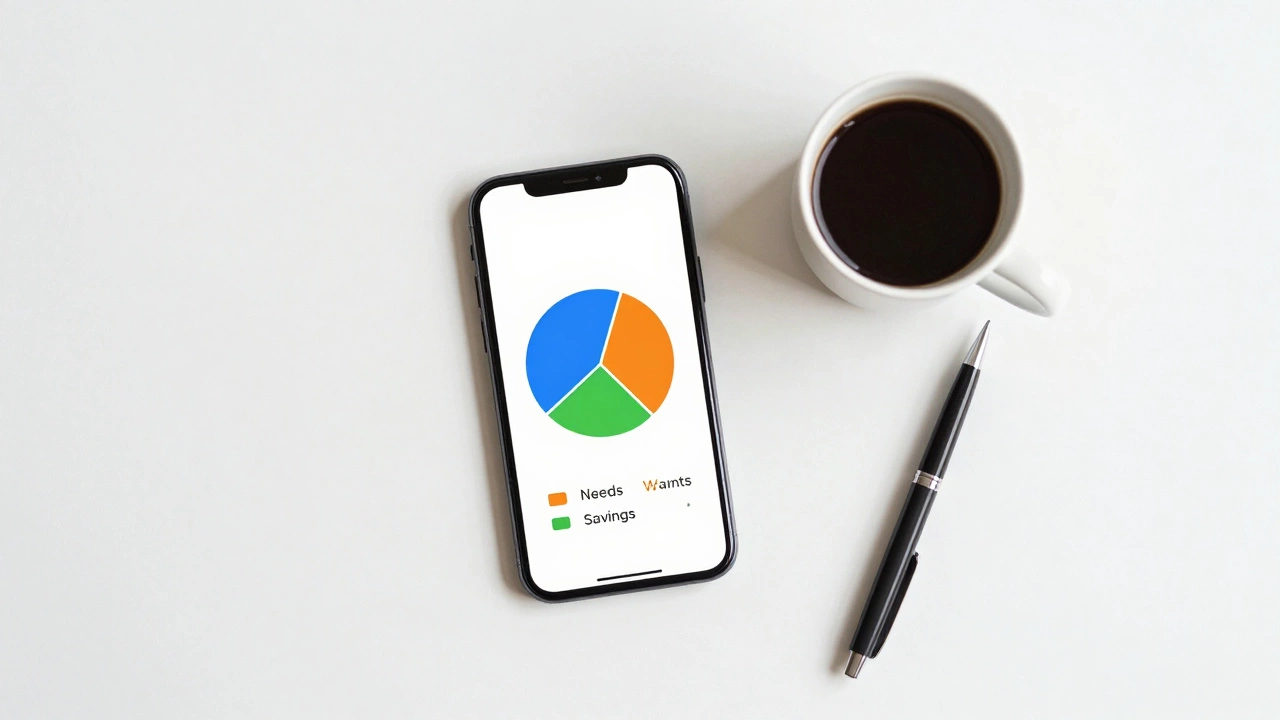
Created by Senator Elizabeth Warren, The 50/30/20 Rule is a spending framework that divides after-tax income into three categories: 50% for needs, 30% for wants, and 20% for savings and debt repayment. This rule is popular because it removes the guesswork. You don’t need to calculate exact dollar amounts for groceries versus gas. You just look at your total take-home pay and apply the percentages.
| Category | Percentage | Examples |
|---|---|---|
| Needs | 50% | Rent/Mortgage, Utilities, Groceries, Minimum Debt Payments, Basic Insurance |
| Wants | 30% | Dining Out, Entertainment, Subscriptions, Hobbies, Travel |
| Savings & Debt | 20% | Emergency Fund, Retirement Contributions, Extra Debt Payments, Investments |
The beauty here is flexibility. If your rent spikes, you might temporarily dip into the "wants" category to keep housing covered. However, the rule forces you to acknowledge that lifestyle inflation is real. When you get a raise, you shouldn't just increase your "wants." You should aim to keep the ratios steady or shift more toward the 20% savings bucket. This prevents the common trap where higher income leads to higher stress because expenses scale right along with it.
One major pitfall? High-cost living areas. If your mortgage alone eats up 70% of your income, the 50% cap for "needs" feels impossible. In those cases, this rule serves as an aspirational target rather than a strict law. You work backward from what you *must* spend, then adjust the other two categories accordingly, prioritizing savings over wants if necessary.
Rule #2: Zero-Based Budgeting (The Control Framework)
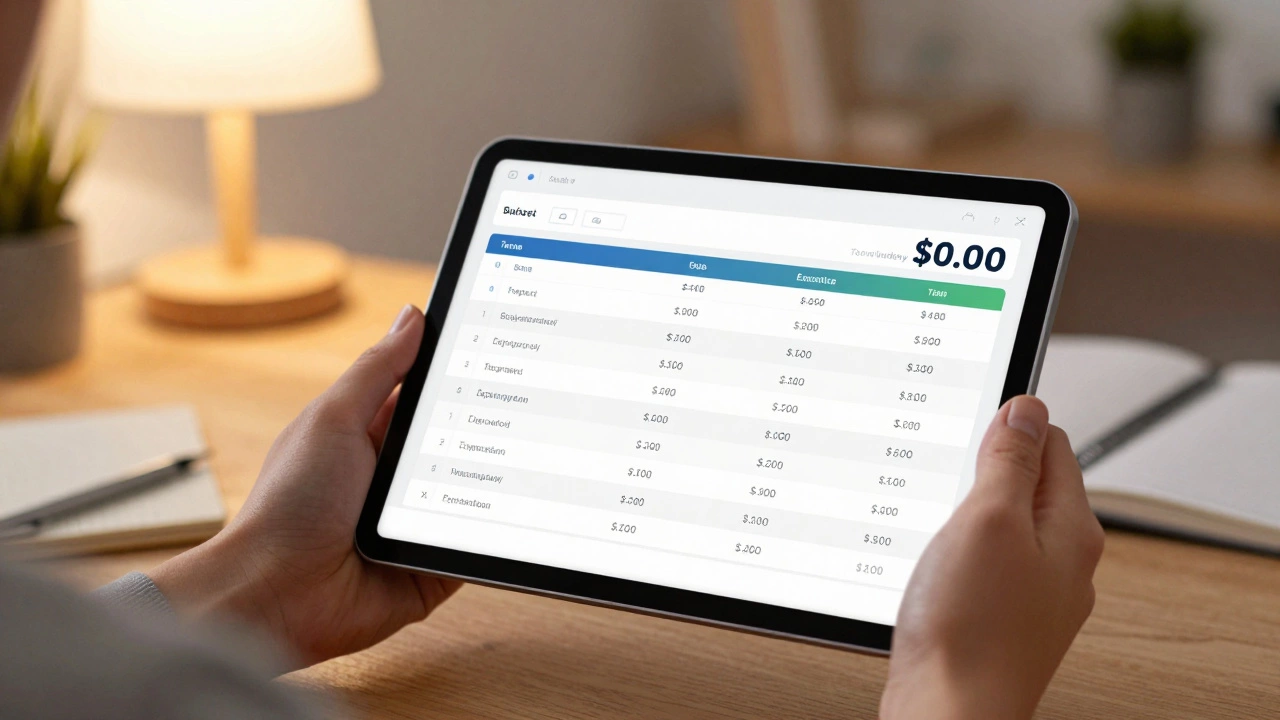
If the 50/30/20 rule is about balance, Zero-Based Budgeting is a method where every dollar of income is assigned a specific job before the month begins, ensuring income minus expenses equals zero. This approach is favored by those who want granular control. It eliminates the mystery of "where did my money go?" because every dollar has a name tag.
Here is how it works in practice. Let's say you earn $4,000 after tax. You list every expected expense: $1,500 for rent, $400 for groceries, $200 for car insurance, $500 for savings, and so on. You continue assigning dollars to categories until the remaining balance is exactly $0. Note that "zero" doesn't mean you spend all your cash. It means you've allocated every single dollar to a purpose, including saving or paying down debt.
This rule shines when you have irregular income or complex financial goals. Freelancers often use zero-based budgeting to smooth out cash flow fluctuations. By assigning dollars to "taxes" or "slow month reserves" upfront, they avoid panic later. It also helps identify waste. If you find yourself short $200 at the end of the planning phase, you have to actively choose which category gets cut. That conscious decision-making process is far more effective than passive overspending.
The downside? It requires effort. You must update your budget whenever unexpected costs arise. If your car breaks down, you move money from "vacation fund" to "car repair" immediately. This dynamic shifting keeps the math accurate but demands discipline. For people who dislike spreadsheets or apps, this can feel tedious. But for those who find satisfaction in order and precision, it is incredibly empowering.
Rule #3: The Envelope System (The Cash Discipline Framework)
The oldest of the three, The Envelope System is a cash-based budgeting method where physical envelopes hold pre-determined amounts of cash for specific spending categories, stopping spending once the envelope is empty. While it sounds outdated in the age of contactless payments, its psychological power remains unmatched. Seeing a physical stack of bills shrink provides immediate feedback that digital notifications simply cannot match.
You withdraw cash for variable expenses like groceries, dining out, and entertainment. Each category gets its own envelope. When the "Dining Out" envelope is empty, you do not eat out again until next month. No credit card swipes, no "just this once" exceptions. The friction of handling cash slows down impulse purchases. Studies show that paying with cash activates different brain regions associated with pain and loss, making you more mindful of each transaction.
In 2026, you don't need literal paper envelopes. Digital banking apps offer "virtual envelopes" or sub-accounts that function identically. You transfer funds into a "Groceries" account within your main app. When that balance hits zero, you stop buying food outside the home. This hybrid approach combines the discipline of cash with the convenience of modern banking. It protects against identity theft and lost wallets while maintaining the hard limit principle.
This rule is particularly effective for problem spenders. If you consistently overspend on Amazon or Uber Eats, isolating that money into a separate container creates a barrier. You have to consciously move money between accounts, adding a step that interrupts autopilot behavior. It turns abstract limits into tangible boundaries.

Combining the Three Rules for Maximum Impact
You don't have to pick just one. In fact, combining these rules creates a robust financial defense system. Think of them as layers. Use the 50/30/20 rule to set your high-level targets. Determine how much goes to needs, wants, and savings. Then, use zero-based budgeting to assign every dollar within those percentages to specific line items. Finally, apply the envelope system (digital or physical) to the most volatile categories-usually "wants" and variable "needs" like groceries.
For example, if your 20% savings goal includes paying off credit card debt, you allocate that amount in your zero-based budget. You then treat that allocation like an envelope: once the payment is scheduled, that money is gone from your discretionary view. This integration ensures you meet long-term goals while managing daily temptations.
Start simple. If you are new to budgeting, begin with 50/30/20. It gives you immediate structure without overwhelming detail. Once you understand your baseline spending, transition to zero-based budgeting for greater control. If you still struggle with overspending in specific areas, introduce envelopes for those trouble spots. Progress, not perfection, is the goal.
Common Mistakes to Avoid
Even with solid rules, pitfalls exist. One common error is basing percentages on gross income instead of net income. Always use take-home pay. Taxes and deductions are non-negotiable; they don't fit into any of these buckets. Another mistake is ignoring irregular expenses. Car maintenance, annual subscriptions, and holiday gifts should be averaged monthly and included in your budget. Failing to plan for these leads to sudden crises that derail your entire system.
Also, avoid being too rigid. Life happens. Medical emergencies occur. Friends get married. Your budget should include a "miscellaneous" or "fun" category to absorb small shocks without guilt. Flexibility within the framework prevents burnout. If you miss a week of tracking, don't quit. Just restart. Consistency matters more than perfect data entry.
Which budget rule is best for beginners?
The 50/30/20 rule is generally the easiest starting point. It requires minimal calculation and provides clear guidelines without demanding detailed tracking of every transaction. It helps establish the habit of categorizing spending before diving into more complex methods.
Can I use the envelope system with a credit card?
Yes, but you must treat the credit card limit as your envelope. Set a strict spending limit per category and track balances manually. However, cash or dedicated sub-accounts are safer because they prevent accidental overspending beyond available funds.
What if my needs exceed 50% of my income?
Adjust the ratios. If needs are 70%, you might reduce wants to 10% and savings to 20%. The goal is to prioritize essentials and debt reduction/savings. Over time, aim to lower the percentage spent on needs by increasing income or reducing fixed costs.
How often should I review my budget?
Review weekly to check progress and adjust for unexpected expenses. Conduct a deeper monthly review to analyze trends, rebalance allocations, and ensure alignment with long-term financial goals. Regular reviews prevent small issues from becoming large problems.
Is zero-based budgeting worth the extra effort?
For those struggling with hidden spending or complex finances, yes. It provides clarity and control that simpler methods lack. If you find spreadsheets tedious, consider automated budgeting apps that perform zero-based calculations in the background, reducing manual entry.