
Homeowners Insurance Coverage Gap Checker
Instructions:
Select the potential disasters or maintenance issues below. The tool will instantly analyze whether these events are covered under a standard homeowners policy.
Select Potential Scenarios
Rising water from heavy rain, rivers, or seepage damaging foundation or basement.
Structural cracks or damage caused by seismic activity and ground shaking.
Mold growth resulting from long-term humidity or slow pipe leaks over months.
Damage caused by termites, rodents, or birds eating into wood/insulation.
Waste matter coming up through drains during heavy rainfall.
Structural damage or theft caused by an accidental fire event.
Analysis Report
- Please select scenarios above to see analysis...
You might think your monthly payments protect you from everything that could go wrong at home. That is rarely the case. Most people discover the hard way that their policy leaves massive gaps when disaster strikes. Understanding exactly what is excluded helps you sleep better and budget for the right protection.
When you buy a standard policy, you are getting a specific set of promises from your carrier. These documents define risk. They are not all-encompassing safety nets. Let us look at the specific scenarios where your money might stop flowing when you need it most.
Natural Disaster Exclusions
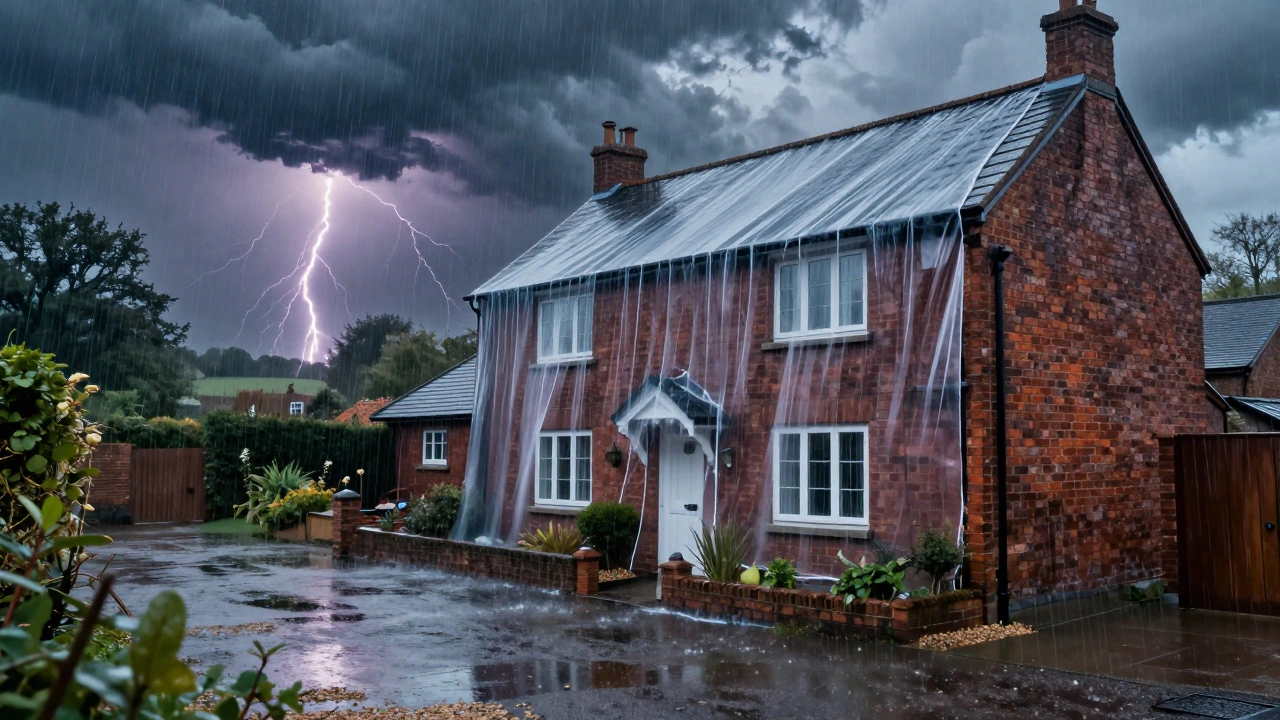
The biggest misunderstanding involves weather events. Standard homeowners insurance covers damage from wind, hail, lightning, and fire. It pays for the roof torn off during a storm. However, two major weather phenomena are almost always excluded.
Flood damage is the number one gap in coverage. If heavy rain causes water to rise from the ground into your property, your insurer will deny the claim. This includes flooding from rivers, lakes, or even groundwater seepage. You need a separate policy through the National Flood Insurance Program or a private carrier to handle this. Even a small amount of standing water can cause structural rot that costs thousands to fix.
Earthquakes are another distinct category. The shaking of the earth is not a covered peril under basic forms. If your foundation cracks during a seismic event, the repair bill comes from your savings. Some coastal states mandate coverage, but elsewhere, you must purchase an endorsement. Without this, a single tremor can wipe out your emergency fund.
Maintenance and Wear Issues
Insurers distinguish between sudden accidents and gradual decay. They view homeownership as responsible stewardship of a physical asset. If something breaks because you ignored signs of trouble, you are on your own.
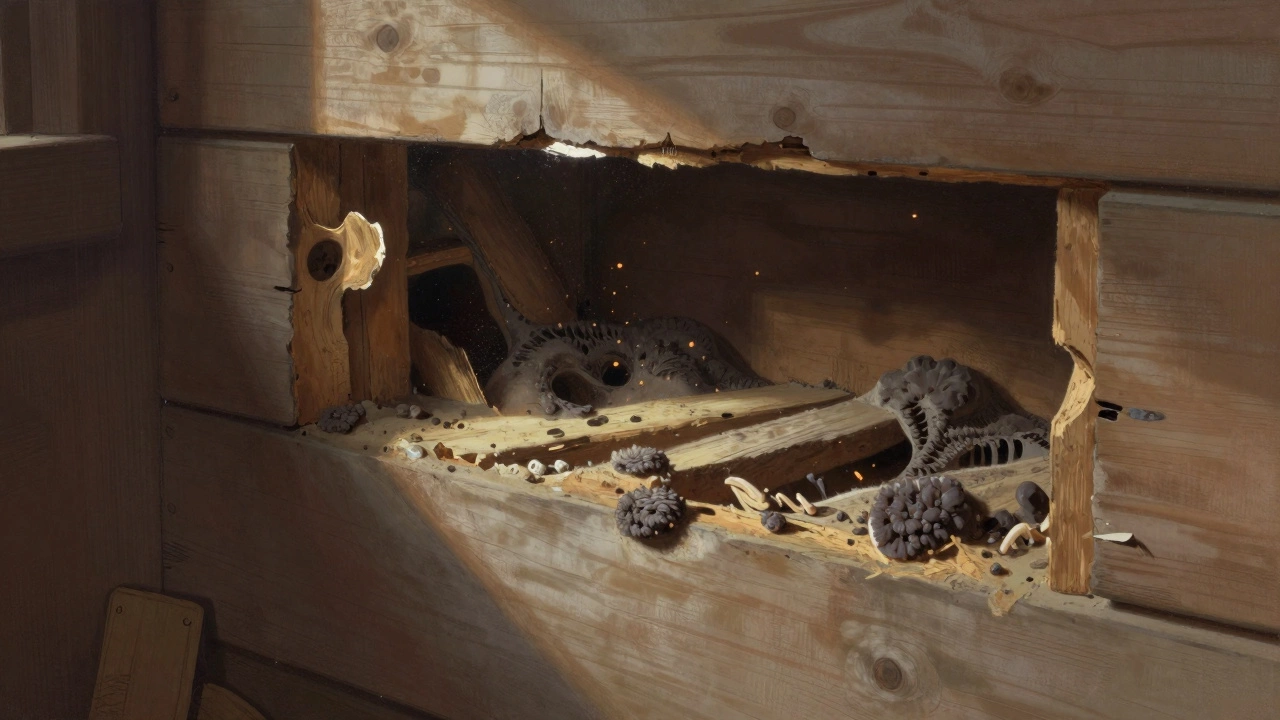
- Pest Infestations: Termites, rodents, and birds are not covered. These require regular prevention. If you find damage after years of silence, the claim gets rejected.
- Mold: If water leaked slowly over months and caused mold growth, that is excluded. A pipe bursting suddenly and creating mold is different. The timing matters immensely.
- Sewer Backups: Standard forms do not cover sewage coming up through drains. This often happens after heavy rains. You need a specific rider called service line coverage or sewer backup endorsement.
This distinction protects the company from predictable losses. They expect you to maintain pipes, roofs, and ventilation. Neglect looks like financial mismanagement rather than bad luck.
| Type of Damage | Covered? | Required Solution |
|---|---|---|
| Rising Groundwater | No | Flood Insurance |
| Termites/Rodents | No | Regular Inspection |
| Earth Tremors | No | Earthquake Endorsement |
| Sewage Drainage | No | Backup Rider |
| Maintenance Decay | No | Home Warranty |
High-Value Personal Property
Your policy covers the house itself and the contents inside. However, there are sub-limits for certain categories. Theft of jewelry often caps at $1,500 total per claim. If your engagement ring is worth $5,000, you are out of pocket for the difference.
Collectibles face similar restrictions. Coins, stamps, fine art, and antiques fall into this bucket. An appraisal is essential. You need to schedule these items separately on your policy. This creates a scheduled personal property float. It costs extra but guarantees full payout values. Do not assume the default limit matches your collection.
Electronics also have limits. While a laptop theft is covered, frequent travel increases risk. Carrying expensive gear constantly can lead to scrutiny. Document everything with photos and serial numbers before you move in. Proof of ownership speeds up any settlement significantly.

Liability and Legal Limits
Homeowners insurance provides liability protection if someone gets hurt on your property. If a guest slips on your icy porch and sues, the policy handles legal fees up to a limit. That limit is often $100,000 or $300,000.
Bodily injury payouts stop there. If damages exceed this cap, you are personally liable for the rest. Consider an umbrella policy if you have significant assets. This adds an extra layer of protection above the base limit. It is relatively cheap compared to the potential loss.
Certain intentional acts are never covered. Deliberate harm inflicted upon others voids the defense clause. The contract assumes accidental injury. Fraudulent claims result in immediate cancellation and potential lawsuits against you. Honesty during the filing process keeps your record clean.
How to Fill the Protection Gaps
Knowing the exclusions allows you to buy the right supplements. Do not wait for a loss to realize you need more coverage. Speak to an agent about specific riders.
- Add Flood Coverage: Check flood maps even if you do not live near water. Many flood zones are invisible to the naked eye.
- Endorsements: Purchase sewer backup and ordinance endorsements to handle local code changes during repairs.
- Schedule Valuables: List expensive items individually so they are not subject to aggregate caps.
- Umbrella Policy: Layer this over your auto and home liability for high-net-worth protection.
- Document Assets: Keep a digital inventory accessible online for quick access after a disaster.
A well-rounded strategy combines multiple products. A home warranty handles mechanical failures of appliances. This fills the void left by insurance exclusions regarding aging systems. Combining these layers reduces the risk of catastrophic financial shock.
Does homeowners insurance cover water damage?
It depends on the source. Accidental discharge from plumbing inside the home is covered. Water entering from outside sources like rising rivers or overflowing bathtubs due to neglect is typically excluded.
What is the difference between a home warranty and insurance?
Insurance protects against sudden events like fire or theft. A home warranty covers mechanical breakdowns of appliances and systems over time, addressing wear and tear that insurance ignores.
Can I claim for mold discovered during renovations?
Generally no. Mold found during remodeling is considered hidden damage resulting from prior maintenance issues or slow leaks, which are excluded perils under standard contracts.
How much does flood insurance cost annually?
Costs vary by location and elevation. Premiums range widely but often fall between $400 to $1,000 per year for standard residential properties depending on flood zone classification.
Will my policy pay for building code upgrades after a fire?
Basic policies pay for restoration. You need Ordinance or Law coverage to pay for bringing the rebuilt structure up to current safety standards required by local municipal codes.