
Home Insurance Coverage Checker
Select a scenario below to see if a standard homeowners policy typically covers it, or if you need a separate rider.
Quick Summary: The Big Exclusions
- Floods and Sewer Backups: Almost never covered by standard policies.
- Earthquakes: Usually requires a separate rider or policy.
- Maintenance Issues: Wear and tear is your responsibility, not the insurer's.
- Intentional Damage: You can't burn your own house down for the money.
- High-Value Items: Jewelry and art often have strict "sub-limits."
The Water Trap: Floods vs. Leaks
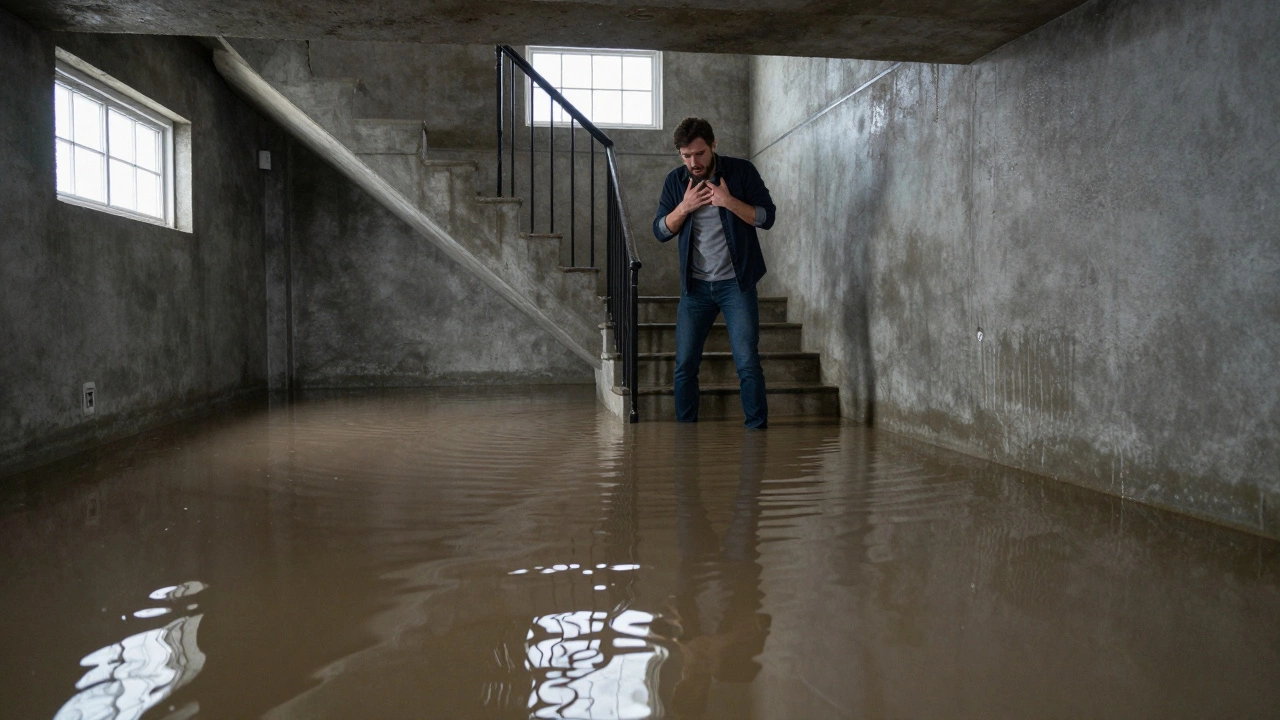
One of the biggest misconceptions is that all water damage is the same. If a pipe bursts in your wall and floods your living room, you're likely covered. But if rain falls so hard that it overflows the street and enters your home, or if a nearby river breaches its banks, you're looking at a Flood. In the insurance world, a flood is defined as a general overflow of water onto land that is normally dry.
Standard policies explicitly exclude this. To get protection, you usually need a separate policy from the National Flood Insurance Program (NFIP) or a private insurer. The same goes for sewer backups. If the city main clogs and sewage pushes back up through your floor drain, that's often an "add-on" (endorsement) you have to pay extra for. If you don't see "Sewer Backup and Sump Pump Overflow" on your declarations page, you're paying for that cleanup out of pocket.
Nature's Shakes and Shifts
Depending on where you live, the ground beneath you might be a liability. Earthquakes are almost universally excluded from standard homeowners policies. Why? Because an earthquake can destroy an entire neighborhood at once, which would bankrupt insurance companies if they didn't separate the risk. If you live in a high-risk zone, you'll need a "Difference in Conditions" (DIC) policy or a specific earthquake rider.
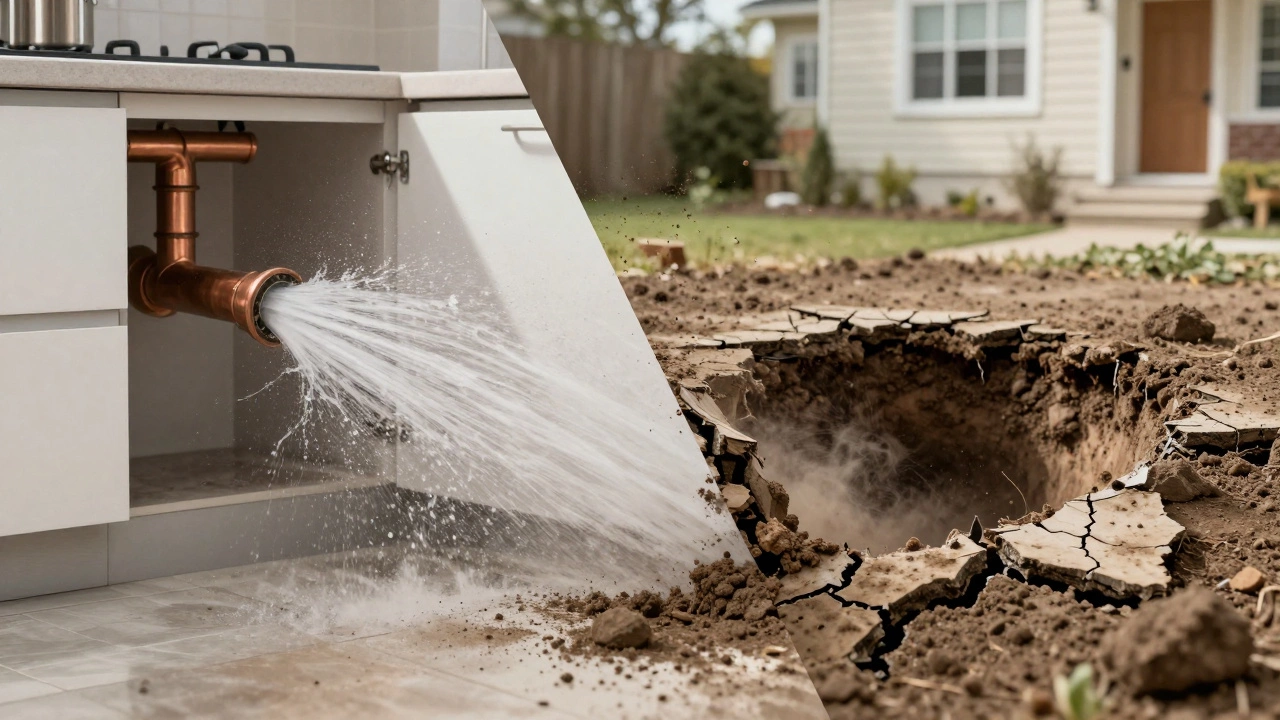
Then there's the slow-motion disaster: land subsidence. If the soil under your home shrinks or shifts, causing your foundation to crack and your walls to lean, don't expect a check. Earth movement, whether it's a sinkhole or gradual settling, is typically viewed as a geological event rather than a sudden "peril," leaving the homeowner to foot the bill for expensive foundation repairs.
The "Maintenance" Loophole
Insurance is for accidents, not for neglecting your home. This is where most disputes between homeowners and adjusters happen. If a storm blows shingles off your roof, that's a covered claim. If your roof is 25 years old, curling at the edges, and leaks during a light rain, that's Wear and Tear. The insurance company will argue that the leak was inevitable due to lack of maintenance.
This applies to everything from termite infestations to mold. Termites are considered "preventable" if you'd just had a professional inspection. Mold is often excluded unless it's a direct result of a covered water claim (like a burst pipe). If you have a slow leak in a shower that you ignored for six months and it eventually rots the floor, the insurer may deny the claim because you failed to mitigate the damage.
| Event | Standard Policy | Required Add-on/Separate Policy | Why it's excluded? |
|---|---|---|---|
| Burst Pipe | Usually Covered | N/A | Sudden & Accidental |
| Rising Flood Water | Excluded | Flood Insurance | Catastrophic Risk |
| Earthquake | Excluded | Quake Rider/DIC | Widespread Loss |
| Termite Damage | Excluded | Rarely Available | Maintenance Issue |
| Sewer Backup | Excluded | Sewer Endorsement | Preventable/Local Risk |
The Value Gap: Jewelry, Art, and Collectibles
Most people think their "Personal Property" coverage covers everything they own. While technically true, there is a catch called "special limits of liability." Your policy might cover $200,000 in belongings, but it might have a limit of only $1,500 for Jewelry. If your engagement ring worth $10,000 is stolen, you might only get a fraction of its value.
The same applies to fine art, furs, and high-end electronics. To bridge this gap, you need a Scheduled Personal Property endorsement. This is where you "schedule" (list) the item, provide an appraisal, and pay a small extra premium to ensure it's covered for its full appraised value. Without this, you're essentially self-insuring the most expensive things you own.

What Happens in the Worst-Case Scenarios?
There are certain types of damage that are simply never covered, regardless of how much you pay. Intentional acts are the big one. If you intentionally set fire to your garage to get the insurance money, that's insurance fraud, and you'll be lucky if you don't end up in prison. Similarly, damage caused by a "war" or a "nuclear hazard" is a standard exclusion in almost every policy on earth.
Another tricky area is "Governmental Action." If the city decides to demolish part of your property to widen a road, your homeowners insurance won't pay you for the loss. That's a matter of eminent domain and legal compensation, not an insurance claim. Also, keep an eye on your Liability Insurance. While it covers you if someone slips on your ice, it usually won't cover you if you're operating a business out of your home. If a client trips in your home office, your personal policy might deny the claim because the incident happened during a commercial activity.
How to Close Your Coverage Gaps
The only way to know for sure what you're missing is to read the "Exclusions" section of your policy. Don't just look at the summary page. Look for the words "We do not provide coverage for..."
- Conduct a Home Inventory: Walk through your house with a camera and record every room. Note the brands and estimated values of your electronics and furniture.
- Check Your Flood Zone: Use official government maps to see if you're in a high-risk area. Even if you're in a "low-risk" zone, flash floods can happen anywhere.
- Appraise Your Valuables: Get a professional appraisal for any piece of jewelry or art over $2,000 and add it to your policy as a scheduled item.
- Review Your Deductible: Remember that a higher deductible lowers your premium but means you'll pay more out of pocket before the insurance kicks in.
Does homeowners insurance cover mold?
Generally, no. Most policies exclude mold if it's caused by long-term moisture or lack of maintenance. However, if the mold is a direct result of a covered event-like a sudden pipe burst-the insurer may pay to remove the mold and repair the damage.
Is a sump pump failure covered?
The failure of the pump itself is usually not covered (it's mechanical wear and tear). However, the water damage resulting from the failure might be covered IF you have a specific "Sump Overflow" or "Sewer Backup" endorsement on your policy.
Do I need separate insurance for my home office?
If you have employees visiting or a high volume of clients, yes. Standard homeowners insurance has very limited coverage for business-related liabilities and equipment. A home-based business policy or a commercial rider is recommended.
What happens if my roof is too old to be insured?
Some insurance companies will refuse to renew your policy or will only offer "Actual Cash Value" (ACV) coverage instead of "Replacement Cost" if your roof exceeds a certain age (often 20 years). This means they'll pay you what the roof is worth now, not what it costs to put on a new one.
Are sinkholes covered by standard insurance?
In most cases, no. Sinkholes and other earth movements are typically listed under the general exclusions. In a few states, laws require insurers to offer sinkhole coverage, but it's usually an optional addition that you must pay for.
Next Steps for Homeowners
If you've realized you have a gap, don't panic. Start by calling your agent and asking specifically about "Sewer Backup" and "Earthquake" riders. If you're in a flood-prone area, contact the NFIP immediately, as flood policies often have a 30-day waiting period before they become active. Finally, set up a digital folder with your home inventory and appraisals so that if a disaster does strike, you aren't trying to remember the value of your belongings while staring at a pile of rubble.