
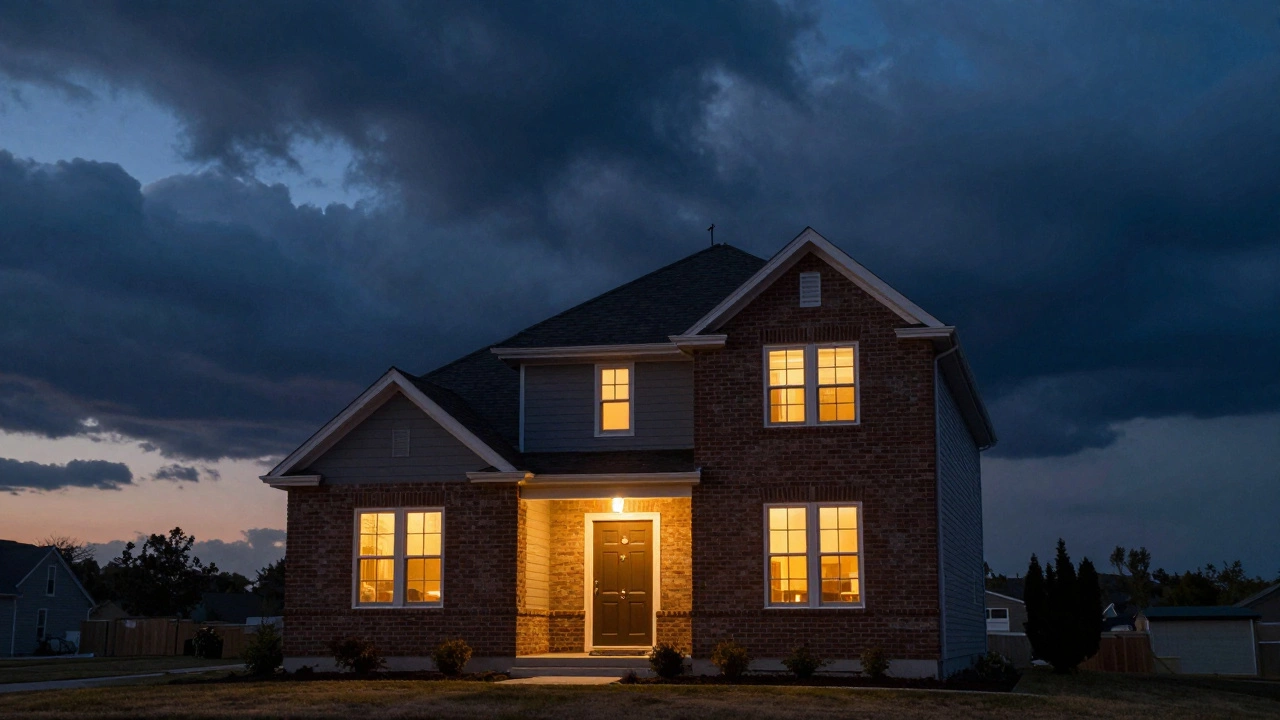
Homeowners Coverage Calculator
Enter your estimated rebuilding cost to calculate recommended coverage limits.
Physical Structure
Garage, Fences (Typically 10%)
Belongings (Typically 50%)
Legal/Medical Costs
Claim Reality Check
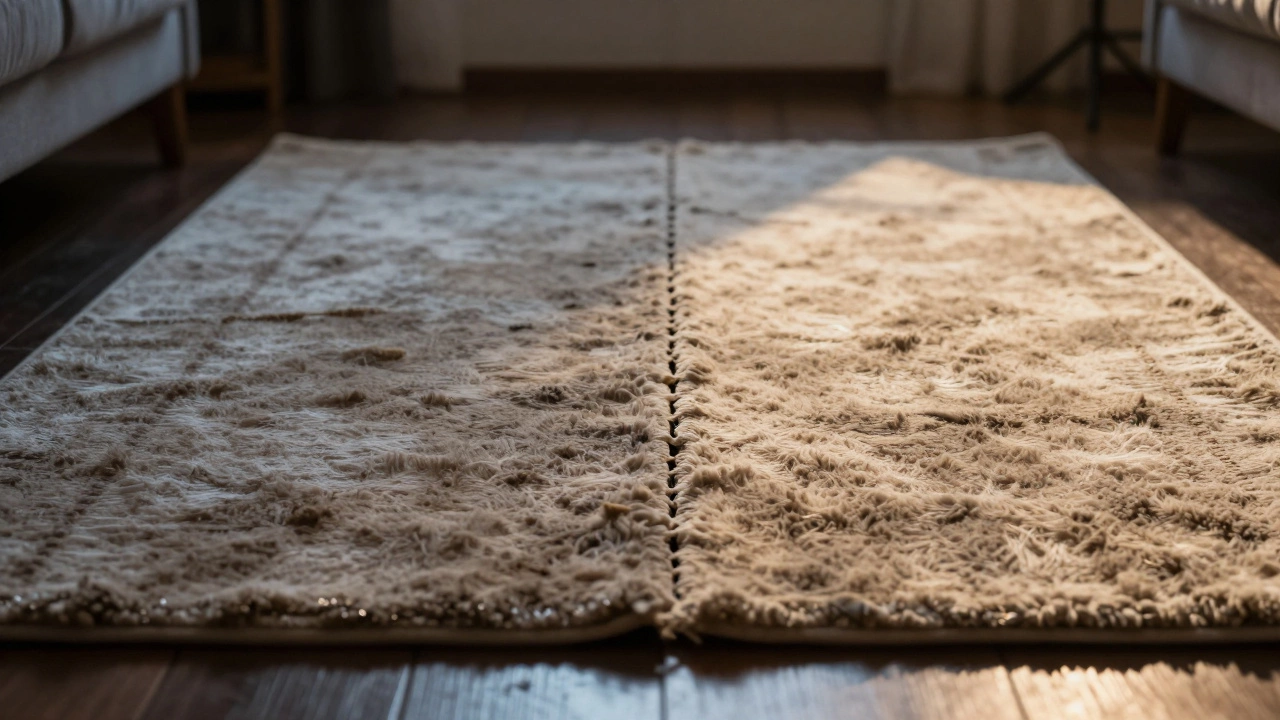
Scenario: If you lose a carpet installed 10 years ago...
Quick Overview
If you are hunting for the cheapest policy, you might think "basic" means paying the absolute minimum premium. In reality, a basic Homeowners Insurance Policy is about balancing essential protection with cost. Most mortgage lenders require at least an HO-3 policy. However, true "basic" coverage depends on your home’s age and location. Below is the short version:
- The Standard Baseline: An HO-3 policy is the most common form for homeowners.
- Minimum Requirements: Your lender dictates the minimum amount needed to cover the reconstruction cost.
- Avoid Pitfalls: Don’t confuse “basic” with “underinsured.” Old homes may qualify for HO-8 coverage instead.
- Valuation Matters: Actual Cash Value pays less than Replacement Cost in the event of a total loss.
Understanding the Policy Form Codes
You will see codes like HO-1, HO-3, and HO-8 when shopping for coverage. These aren’t random letters. They tell you exactly how the insurance company handles risks. Think of these forms as templates used by carriers nationwide through the Insurance Services Office (ISO).
Many people assume the HO-1 is the bare minimum because the number is small. In truth, the HO-1 Policy has largely been phased out by major insurers in most states because it offers protection against very few specific perils. If you manage to find one today, it is rarely recommended. It covers fire, lightning, and theft, but leaves you exposed to wind damage or water pipe bursts.
The industry standard for most houses is the HO-3 Policy. Even though it isn’t the oldest form, it serves as the practical baseline. Underwriters call it a special form. It provides broad peril coverage for the structure itself (like walls and roof) while covering personal belongings under named perils. For someone asking about a basic policy, this is the starting point for negotiations.
There is another option called the HO-8 Policy. This applies if your house is significantly older, perhaps built before 1950, or has unique construction materials like adobe brick. It focuses on Actual Cash Value rather than rebuilding the home to modern standards. If your lender accepts it, it acts as the most basic viable option for historic properties.
The Four Pillars of Coverage
A policy feels complex until you realize it is built on four distinct buckets of money. Each section has its own limit, and skimping on one can cause trouble during a claim. Here is where the real protection lives.
- Dwelling Coverage: This pays to fix or rebuild the physical structure. If the roof tears off in a storm, this money goes to the contractor.
- Other Structures: Garages, fences, and sheds fall here. Usually, this limit is set at 10% of your dwelling limit.
- Personal Property: This covers furniture, electronics, and clothes. Standard policies usually cap this at 50% of the dwelling limit, which is often not enough for high-value tech gear.
- Liability Protection: If a guest trips on your porch and sues, this pays legal fees and medical bills. Most agents recommend a $300,000 minimum, even if the base policy offers $100,000.
In 2026, inflation in construction labor has pushed these numbers higher. If you buy a policy based on the original purchase price of your home, you will be shocked when disaster strikes. Rebuilding a three-bedroom ranch costs significantly more than the resale price of the land combined with the structure.

Valuation: Replacement Cost vs. Actual Cash Value
This is where basic policies differ most sharply. You might have two policies with the same premium, but one pays half as much as the other when you file a claim. The difference lies in the valuation method.
Replacement Cost means the insurer pays what it takes to build a similar home using current market prices. If your carpet was ten years old, they pay for new carpet, not the value of the old one. This is the gold standard and is almost always required by mortgage companies.
Actual Cash Value introduces depreciation. They calculate the replacement cost and subtract the wear and tear. Using the carpet example, they might decide the carpet was only worth $0.50 per square foot due to age. You pay the difference. While this lowers your monthly premium, it leaves you holding the bag for the remaining balance. Many people mistakenly believe a basic policy uses this method. Always verify your declarations page.
What Gets Left Out Completely
A standard policy looks comprehensive until you read the exclusions section. These are events the insurance company explicitly refuses to pay for. Understanding this list prevents heartbreak later.
| Peril | Reason for Exclusion | Solution |
|---|---|---|
| Flooding | Standard policies exclude rising water from outside sources. | Separate FEMA flood policy or private flood insurance. |
| Earthquakes | Catastrophic ground movement is considered separate risk. | Add earthquake endorsement or separate policy. |
| Maintenance Issues | Insurers do not pay for rot, termites, or mold caused by lack of care. | Budget for regular home inspections and repairs. |
| Sewer Backups | Damage from drains backing up is not covered by default. | Purchase a water backup rider. |
If you live near a coast or fault line, a “basic” HO-3 policy is dangerous without add-ons. Flooding is the most common natural disaster, yet it accounts for over 40% of claims denied. Do not rely on your standard homeowner’s insurance for this.
Cost Drivers and Deductibles
You can lower the price of a policy, but there are smart ways to do it versus cutting corners. Raising your deductible is the easiest way to drop premiums. If you switch from a $500 deductible to $1,000 or $2,500, the insurer expects you to pay for small claims yourself. This reduces their administrative burden and your annual bill.
However, bundling with auto insurance remains the most effective discount driver. Agents often offer 10% to 20% savings when multiple lines exist with one carrier. Security systems also matter. Having monitored alarms or smoke detectors triggers credits. Remember, discounts vary by zip code. A system might save you $100 in Ohio but nothing in a high-risk area prone to hurricanes.
Another lever is the credit score. Insurers correlate payment history with claim frequency. A poor credit score can increase premiums by nearly 50% compared to someone with excellent credit. Maintaining financial health directly impacts your housing protection cost.
State Mandates and Lender Rules
Do not ignore the fine print regarding who controls the policy. While the insurance is yours, the bank owns the interest in the collateral. Mortgage agreements almost always mandate that you maintain coverage equal to the loan amount.
Some states, like California and Texas, have specific regulations about what must be covered regarding natural disasters. For example, in California, a wildfire policy might carry different rating factors depending on defensible space clearance around the house. In Florida, windstorm surcharges apply separately in coastal counties.
It is possible to hold a policy legally but fail to satisfy the lender. If your coverage drops below the loan balance, the bank buys Force Placed Insurance. This is incredibly expensive and offers minimal protection designed solely to protect the bank’s asset, not your family’s safety.
Questions About Basic Coverage
Can I get homeowners insurance if my house is old?
Yes, but you might need an HO-8 policy. Standard policies assume rebuilding to modern code, while older homes may cost more to bring up to code than they are worth. HO-8 covers repair based on the home’s current condition rather than full replacement value.
Is liability coverage included in the basic price?
It is included in standard policies, but $100,000 is often insufficient. If someone gets seriously injured on your property, lawsuits can exceed that limit quickly. Uplifting this to $300,000 or adding an umbrella policy costs little extra and protects your personal assets.
Does basic insurance cover mold damage?
Does basic insurance cover mold damage?
Generally no. Most standard forms exclude mold remediation unless it results immediately from a covered peril, like a burst pipe. Slow leaks leading to mold are considered maintenance failures. Endorsements are available to buy this specific protection.
Will my policy adjust for inflation automatically?
Not all of them. Inflation Guard endorsements adjust your limits annually by a set percentage, often 2%. Without this, you could become underinsured as construction material costs rise year over year. Always check if this feature is on your declaration sheet.
How does the deductible affect my payout?
The deductible is the portion you pay before insurance kicks in. A higher deductible ($1,000 vs $500) lowers your premium. If you lose a tree limb weighing 200 lbs, you must pay the deductible before the company covers the rest.
Navigating the options requires looking past the monthly number. A cheap premium that excludes critical events like water backup or uses Actual Cash Value for a young house is false economy. Protecting the biggest investment in your life demands knowing exactly what sits beneath the surface of the contract. Review your Declaration Page once a year to ensure your limits match the current cost of building in your specific neighborhood.