

Home Insurance Savings Estimator
You open your email expecting a routine renewal notice. Instead, you see a number that makes your stomach drop. Your home insurance premium has jumped by 30%, maybe even 50%. You haven’t changed your coverage. You haven’t had a claim. So why is home insurance getting so expensive? It feels like everyone is asking the same question right now.
In 2026, this isn't just a bad year; it's a structural shift. The days of cheap, static premiums are over. Insurers are rewriting the rules because the risks they cover have fundamentally changed. From extreme weather events to soaring construction costs, the equation for pricing your policy has been flipped upside down. Understanding these drivers is the only way to protect your wallet without leaving your home vulnerable.
The Climate Crisis Is No Longer a Future Threat
Let’s start with the biggest elephant in the room: the weather. For decades, insurers priced policies based on historical data from the last 20 or 30 years. They assumed the future would look roughly like the past. That assumption is dead. In 2026, actuaries are using predictive models that account for accelerating climate change, and those models are ugly.
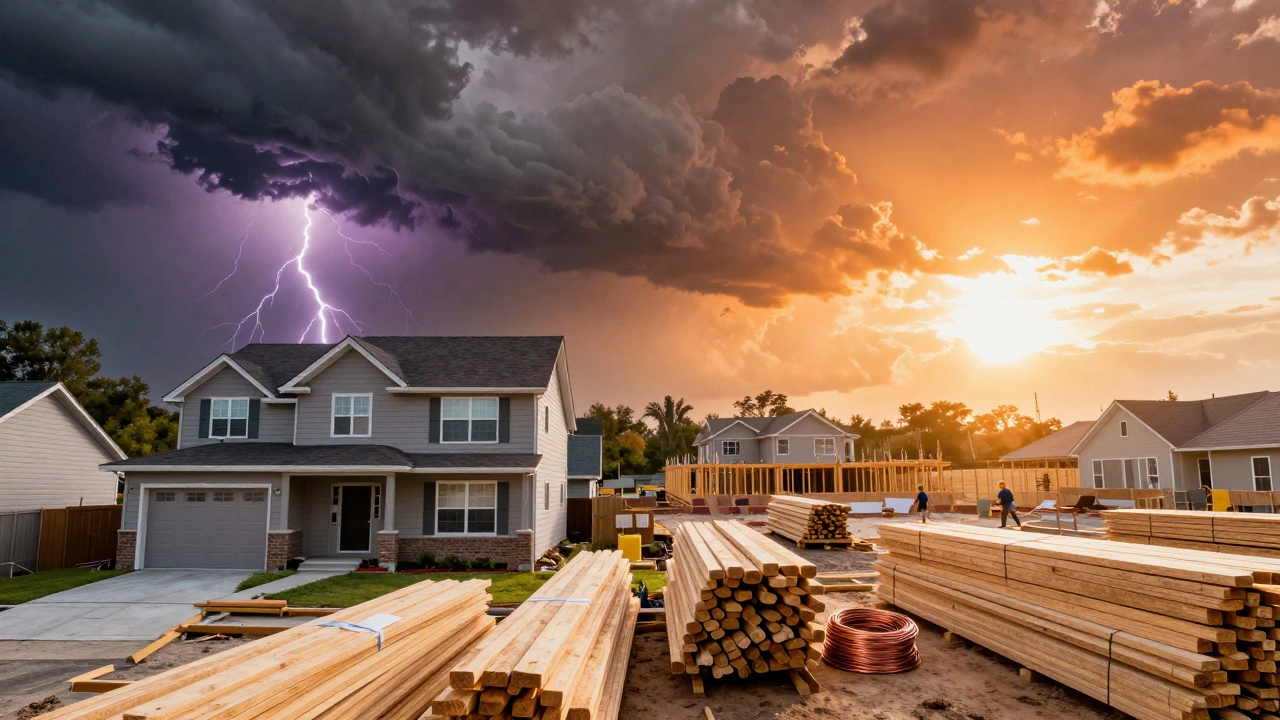
We are seeing more frequent and severe storms, floods, and wildfires. When a hurricane hits Florida or a wildfire sweeps through California, the payout isn't just one check-it’s millions. These catastrophic losses force insurers to raise rates across the board to replenish their reserves. If you live in a high-risk zone, you might be facing exclusions or skyrocketing deductibles. But even if you live in a moderate-risk area, the cost of reinsurance (insurance bought by insurers) has gone up, and that cost is passed directly to you.
Consider this: a flood that used to happen once every 100 years might now happen every 20. Insurers know this. They price your policy not for what happened yesterday, but for what is statistically likely to happen tomorrow. This means your location matters more than ever. A house two streets away from a river might suddenly become uninsurable or prohibitively expensive, while a similar house further inland remains affordable.
Inflation Hits Construction Harder Than Groceries
You’ve noticed inflation at the grocery store. Now imagine that same pressure applied to rebuilding your entire house. This is known as "replacement cost inflation," and it’s a massive driver of premium hikes. When an insurer calculates your premium, they aren't guessing how much your house is worth on the market; they are calculating how much it costs to rebuild it from scratch if it burns down.
In 2026, lumber, drywall, roofing materials, and copper wire are significantly more expensive than they were three years ago. But materials are only half the battle. Labor shortages remain a critical issue. There simply aren’t enough skilled carpenters, electricians, and plumbers to meet demand. When labor is scarce, wages go up. When wages go up, reconstruction costs skyrocket.
If your policy hasn’t been adjusted for these current construction costs, you are underinsured. Insurers are aggressively updating their estimates to reflect today’s reality. A roof replacement that cost $10,000 in 2022 might cost $18,000 today. Your premium rises to ensure the insurer can actually pay that bill when disaster strikes. It’s painful to watch the number go up, but it’s better than discovering mid-fire that your coverage doesn’t cover the full rebuild.
The Rise of Fraud and Litigation Costs
Here’s a less visible but equally potent factor: fraud. Property insurance fraud is a multi-billion dollar problem. From exaggerated water damage claims to outright arson, bad actors drain the pool of money available for honest policyholders. To combat this, insurers invest heavily in investigation teams, AI-driven claim analysis, and legal defense.
Furthermore, the legal landscape has shifted. In many regions, it has become easier for claimants to sue insurers for "bad faith" if a claim is denied or delayed. This has led to a surge in litigation costs. Insurers must maintain larger capital reserves to defend against lawsuits and pay out settlements. These administrative and legal overheads are baked into your monthly premium. You are essentially paying a small fee to help fund the industry’s war on fraud and legal exposure.
Insurers Are Leaving the Market
When risks become too high and profits too thin, some companies just walk away. We are seeing major national insurers exit certain states or regions entirely. When competition drops, prices rise. Basic supply and demand dictate that if there are fewer players willing to sell you a policy, the remaining ones can charge more.
This creates a vicious cycle. As premiums rise, more people cancel their policies or fail to renew them. This shrinks the risk pool, making the remaining customers higher-risk on average. Insurers then raise rates again to compensate for the thinner margin. This phenomenon is particularly acute in coastal areas and wildfire-prone zones, where state-run "FAIR Plans" (Fair Access to Insurance Requirements) often become the only option, though they are rarely cheaper and offer limited coverage.
How to Protect Your Wallet Without Cutting Corners
So, what can you do? Panic-buying isn’t the answer, nor is dropping your coverage. Here are practical steps to manage your costs in this new environment:
- Bump Your Deductible: This is the most effective lever you have. Increasing your deductible from $1,000 to $5,000 can significantly lower your premium. Just ensure you have the cash savings to cover that out-of-pocket expense if a claim occurs.
- Bundle Policies: Most insurers offer substantial discounts for bundling home and auto insurance. Loyalty pays off here, but don’t assume your current provider offers the best bundle rate-shop around.
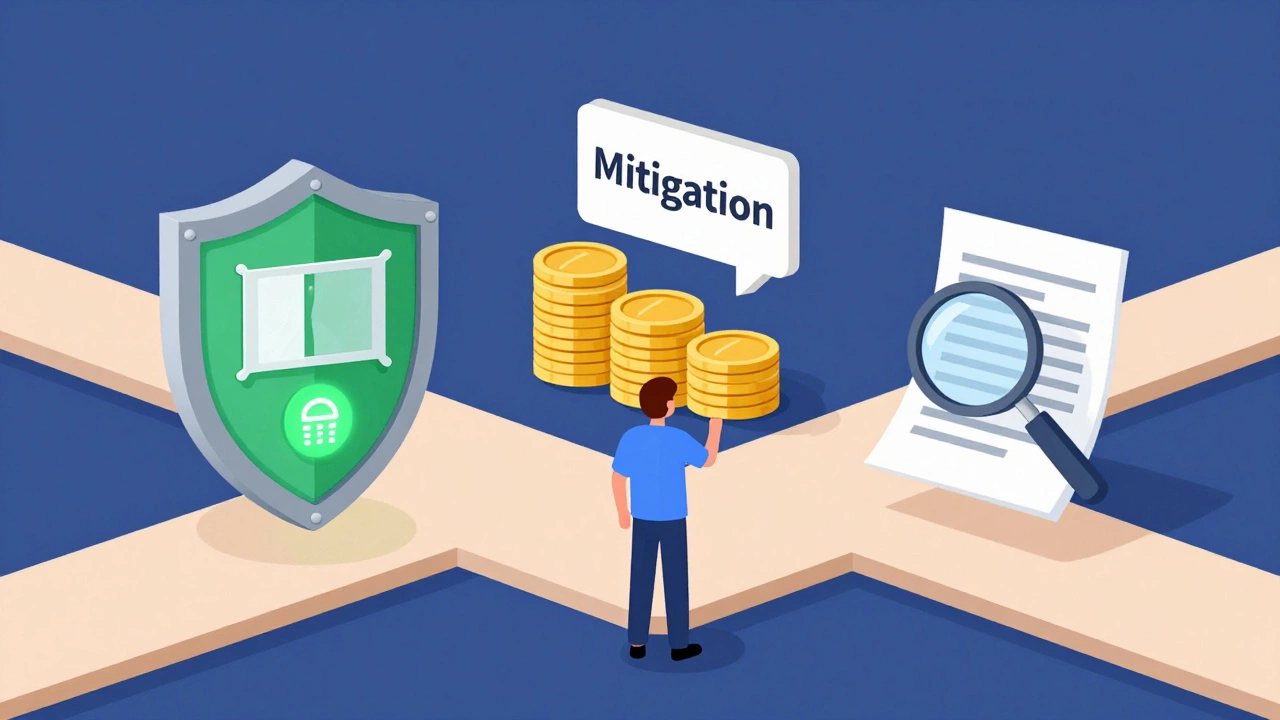
- Invest in Mitigation: Install storm shutters, upgrade to a fire-resistant roof, or add smart leak detectors. Many insurers now offer specific discounts for these hardening measures because they reduce the likelihood of a large claim.
- Review Your Coverage Annually: Don’t set it and forget it. Ensure your dwelling coverage matches current replacement costs, but strip away unnecessary add-ons you don’t need, like ordinance and law coverage if you’re in an older neighborhood with strict codes.
- Improve Your Credit Score: In most states, insurers use credit-based insurance scores to predict risk. A higher score can lead to lower premiums. Paying down debt and keeping balances low helps here.
Comparison: Traditional vs. Modern Risk Assessment
| Factor | Past Approach (Pre-2020) | Current Reality (2026) |
|---|---|---|
| Risk Data | Historical averages (20-year lookback) | Predictive climate modeling & real-time sensors |
| Construction Costs | Stable, predictable increases | Volatile, driven by material scarcity & labor shortages |
| Fraud Detection | Manual review, reactive | AI-driven, proactive pattern recognition |
| Market Competition | High, many national carriers | Low in high-risk zones, carriers exiting markets |
The Bottom Line
Home insurance is expensive because the world is riskier and rebuilding is harder. While the trend toward higher premiums may persist, you are not powerless. By understanding the drivers-from climate shifts to labor costs-you can make informed decisions. Shop around annually, harden your home against risks, and adjust your deductibles. It’s no longer just about buying a policy; it’s about actively managing your risk profile in an unpredictable world.
Will home insurance prices go down in the future?
It is unlikely to see a significant drop in the near term. Climate risks are increasing, and construction costs remain volatile. While individual rates may stabilize, the overall trend is upward due to systemic factors like inflation and catastrophe frequency.
Does my credit score really affect my home insurance rate?
Yes, in most jurisdictions. Insurers use credit-based insurance scores to correlate financial responsibility with claim likelihood. Studies show that individuals with higher credit scores tend to file fewer and smaller claims. Improving your credit can lead to noticeable premium reductions.
What happens if I can't afford home insurance?
If you have a mortgage, your lender will require insurance. If you let it lapse, they may purchase a forced-place policy, which is much more expensive and only covers the bank's interest, not your belongings. If you're owner-occupied, you risk total financial ruin from a single event like a fire or theft.
Can switching insurers save me money?
Absolutely. Insurers use different algorithms to assess risk. One company might penalize your zip code heavily, while another focuses more on your home's age and condition. Shopping around every 1-2 years is the single best way to find a better rate without sacrificing coverage.
Is it worth raising my deductible?
For most homeowners, yes. Raising your deductible lowers your premium significantly. However, you must ensure you have an emergency fund equal to your new deductible amount. If you can't afford to pay $5,000 out of pocket after a storm, stick to a lower deductible.