

Equity Release Compound Interest Calculator
Note: This calculation assumes no partial repayments and demonstrates the effect of compound interest roll-up typical in Lifetime Mortgages.
Imagine you’ve lived in your Auckland home for thirty years. You’ve paid off the mortgage, watched the value climb, and now you’re looking at a nest egg that’s stuck inside four walls. You hear about equity release, which is a financial product allowing homeowners aged 60+ to access cash from their property without moving out. It sounds like free money. But then the question hits you: do I actually have to pay it back?
The short answer is yes. The longer answer is more comforting than you might think. You don’t write monthly checks to a bank. You don’t get a bill in the mail every January. Instead, the debt grows quietly in the background until a specific event triggers the final settlement. For most people in New Zealand, that event is death or moving into permanent care.
Understanding exactly how this repayment works is the difference between using equity release as a smart retirement tool and falling into a trap that wipes out your inheritance. Let’s break down what happens to that money, who pays it back, and when.
How Does Equity Release Actually Work?
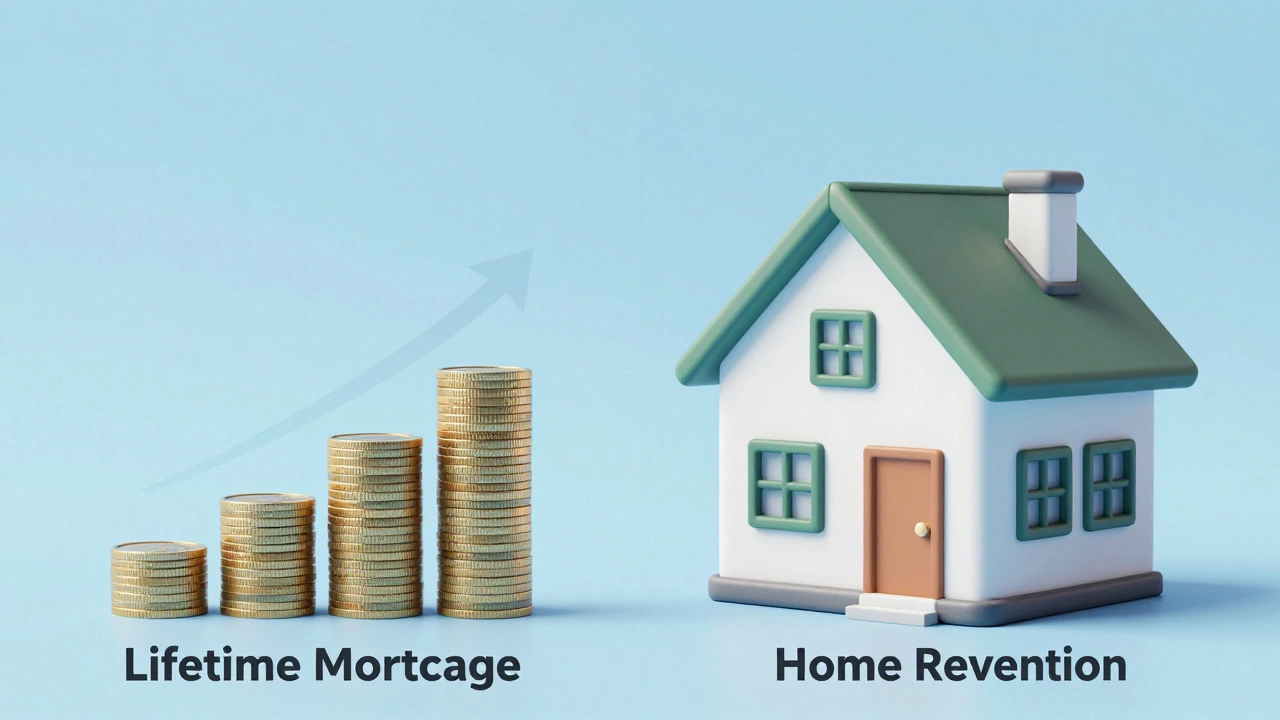
To understand the repayment, you first need to know what you signed up for. In New Zealand, there are two main types of equity release products: Lifetime Mortgages and Home Reversion Plans. They work differently, but both require the debt to be settled eventually.
Lifetime Mortgages are the most common. You borrow against your home’s value. The lender doesn’t ask for monthly repayments of principal or interest. Instead, the interest is added to the loan balance every month. This is called "interest roll-up." If you borrow $100,000 at 7% interest, after one year you owe $107,000. After ten years, thanks to compound interest, you might owe significantly more, even though you haven’t made a single payment.
Home Reversion Plans are different. You sell a portion of your home to a provider in exchange for a lump sum or regular income. You keep living there rent-free. When the house is sold later, the provider gets their agreed percentage of the sale price. You don’t "pay back" a loan; you simply give up a share of the asset’s future value.
When Is the Debt Paid Off?
This is the core of your question. You don’t pay back equity release on a schedule. You pay it back when the "qualifying event" occurs. In the vast majority of cases, there are only two triggers:
- Death: When you (and your partner, if applicable) pass away, the estate sells the property. The proceeds go toward paying off the outstanding loan balance plus all accumulated interest. Whatever is left goes to your beneficiaries.
- Moving into Long-Term Care: If you move into a residential care facility permanently-meaning you won’t be returning home-the loan becomes due. The house is sold to settle the debt.
There is a third, less common scenario: Selling the Home. If you decide to move before you die or enter care, you must repay the full amount owed to release the equity. Most providers offer a "portability" option, allowing you to transfer the loan to a new property, but this comes with fees and strict valuation rules.
Who Pays the Bill? The Role of Your Estate
You might be thinking, "I’m not writing the check, so why does it matter?" It matters because the debt is secured against your home. When you die, your executor or administrator handles your estate. They sell the house, pay off the equity release provider, and distribute the remainder to your heirs.
If the debt has grown too large due to compound interest, there might be little or nothing left for your children or grandchildren. This is the primary risk of equity release: it reduces the size of your estate.
However, most reputable providers in New Zealand include a No Negative Equity Guarantee. This means the total amount owed will never exceed the value of the property at the time of sale. If the house sells for $800,000 but the loan balance is $900,000, the lender absorbs the $100,000 loss. Your family never owes extra cash. This protection is crucial for peace of mind.
Can You Make Partial Repayments?
Here’s a pro tip that many people miss: you *can* make payments if you want to. While you aren’t forced to pay monthly, you can often make voluntary partial repayments-usually up to 10% of the original loan amount each year-without penalty.
Why would you do this? To slow down the interest roll-up. By chipping away at the principal, you reduce the base amount on which interest compounds. This helps preserve more equity for your estate. Some providers also allow you to use other income sources, like rental income from a second property or pension savings, to service the interest separately. This keeps the loan balance static rather than growing.
Comparison: Lifetime Mortgage vs. Home Reversion
| Feature | Lifetime Mortgage | Home Reversion Plan |
|---|---|---|
| Repayment Trigger | Death or long-term care | Death or long-term care |
| Debt Growth | Compound interest increases debt over time | No debt growth; fixed percentage of home value |
| Ownership | You retain 100% ownership | You own only a portion of the home |
| Inheritance Impact | Reduces estate by loan + interest | Reduces estate by agreed % of final sale price |
| Flexibility | Can make partial repayments | Cannot buy back shares easily |

Pitfalls to Avoid Before Signing
Equity release is regulated in New Zealand, but it’s still complex. Here are three common mistakes that lead to regret:
- Ignoring the Interest Rate: Rates for equity release are typically higher than standard mortgages because the lender takes on more risk. A small difference in rate can mean hundreds of thousands of dollars in extra debt over 20 years.
- Assuming Property Values Always Rise: If house prices stagnate or fall, the percentage of your home’s value consumed by the debt increases. You might end up with very little equity left.
- Skipping Independent Advice: By law in New Zealand, you must receive independent legal and financial advice before proceeding. Don’t skip this. A good advisor will run scenarios showing how much equity remains under different market conditions.
Is There an Alternative?
If the idea of owing a massive debt at the end of your life worries you, consider a Reverse Mortgage with an interest-only option. Unlike traditional equity release, some lenders allow you to pay the interest monthly while keeping the principal intact. This way, the debt doesn’t grow exponentially. You still owe the principal at the end, but you’ve protected more of your home’s value for your heirs.
Another alternative is downsizing. Selling your large family home in a prime Auckland suburb and buying a smaller apartment frees up cash immediately without creating a long-term debt structure. It’s more hassle upfront, but it eliminates the worry of compound interest eating away at your legacy.
Do my children have to pay back equity release if I die?
No, your children do not have to pay out of their own pockets. The debt is repaid from the sale of the property. If the house sells for less than the debt, the No Negative Equity Guarantee ensures they owe nothing extra. However, they may receive a smaller inheritance than expected.
What happens if I sell my house before I die?
You must repay the full outstanding balance, including all rolled-up interest, from the sale proceeds. Any remaining cash is yours to keep. Some providers allow you to transfer the loan to a new home, but this involves fees and requires the new property to meet lending criteria.
Can I stop the interest from compounding?
Yes, by making voluntary interest payments. While not required, paying the interest as it accrues prevents the loan balance from growing. This preserves more equity for your estate. You can also make partial principal repayments, usually up to 10% per year, without penalty.
Does equity release affect my government benefits in NZ?
It depends on how you take the money. Taking a lump sum counts as capital and may reduce your eligibility for means-tested benefits like NZ Superannuation top-ups or community services card discounts. Taking income regularly is assessed differently. Always consult Work and Income NZ before proceeding.
Is equity release safe in New Zealand?
Yes, if you use a regulated provider. All equity release products in NZ must comply with Financial Markets Conduct Act standards. Providers must offer a No Negative Equity Guarantee and ensure you receive independent legal advice. Stick to well-known banks and specialist lenders to avoid predatory schemes.