
Savings Efficiency Calculator
You’ve been disciplined. You’ve skipped the lattes, negotiated your bills, and watched your savings account balance climb higher than you ever imagined possible. It feels good, right? But then a nagging thought creeps in: is this actually smart money management, or are you just hoarding paper while its value evaporates? This isn’t just about being rich; it’s about efficiency. Holding too much cash can cost you more than holding too little.
The truth is, there’s no single magic number like "$10,000" that works for everyone. Your ideal cash position depends on your job security, your debt, and what you plan to buy next year. Let’s break down exactly where the line between "safe" and "stagnant" sits, so you can stop guessing and start optimizing.
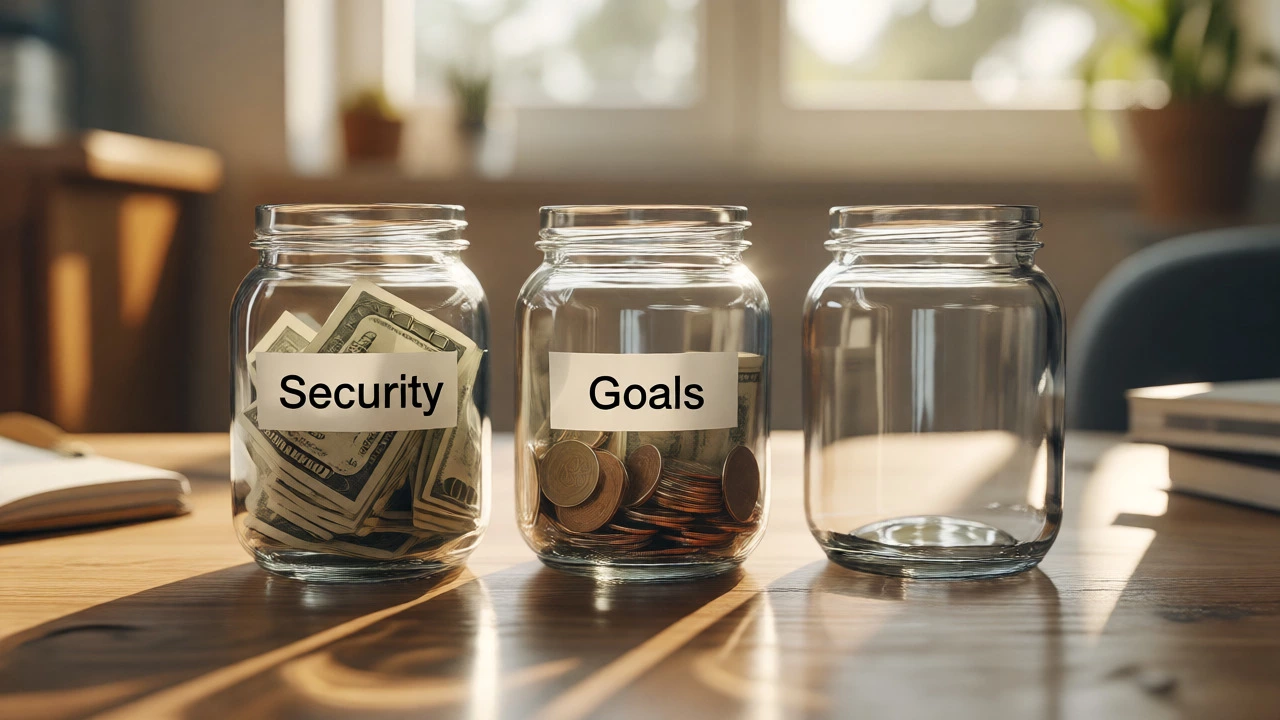
The Three Buckets of Money
To figure out if you have too much cash, you first need to categorize why you’re holding it. Not all cash serves the same purpose. Financial planners often refer to the "three buckets" strategy, which helps clarify whether your money is working for you or just sitting there.
- The Security Bucket: This is your emergency fund. Its only job is to keep you from going into debt when life happens-car repairs, medical bills, or sudden job loss. This money needs to be liquid (instantly available) and stable (not losing value).
- The Goal Bucket: This is cash earmarked for specific short-term purchases, like a house deposit, a wedding, or a vacation within the next 1-3 years. You don’t want this money in the stock market because you might need it before the market recovers from a dip.
- The Growth Bucket: Anything left over after filling the first two buckets should generally be invested. If you have $50,000 sitting in a high-yield savings account but no major expenses coming up for five years, that’s likely growth money trapped in a low-growth vehicle.
If most of your savings fall into the third category but are still sitting in cash, you’re probably holding too much.
Calculating Your Emergency Fund Limit
The standard advice used to be three to six months of living expenses. In today’s volatile economic climate, many experts suggest leaning toward the higher end, especially if you’re self-employed or work in a sector prone to layoffs. But how do you calculate "living expenses" accurately?
Don’t guess. Open your bank statements from the last three months. Add up every non-discretionary expense: rent/mortgage, utilities, groceries, insurance premiums, minimum debt payments, and transportation. Exclude things like dining out, entertainment, or subscriptions you could cancel tomorrow. That total is your monthly burn rate.
Let’s say your monthly burn rate is $3,500. A six-month emergency fund would be $21,000. If you have $40,000 in savings, you have $19,000 "extra." Is that extra amount too much? Only if you aren’t using it effectively. If you plan to buy a car next month, keeping it in cash is fine. If you’re investing it in index funds, it’s also fine. But if it’s just sitting idle, earning less than inflation, you’re losing purchasing power.
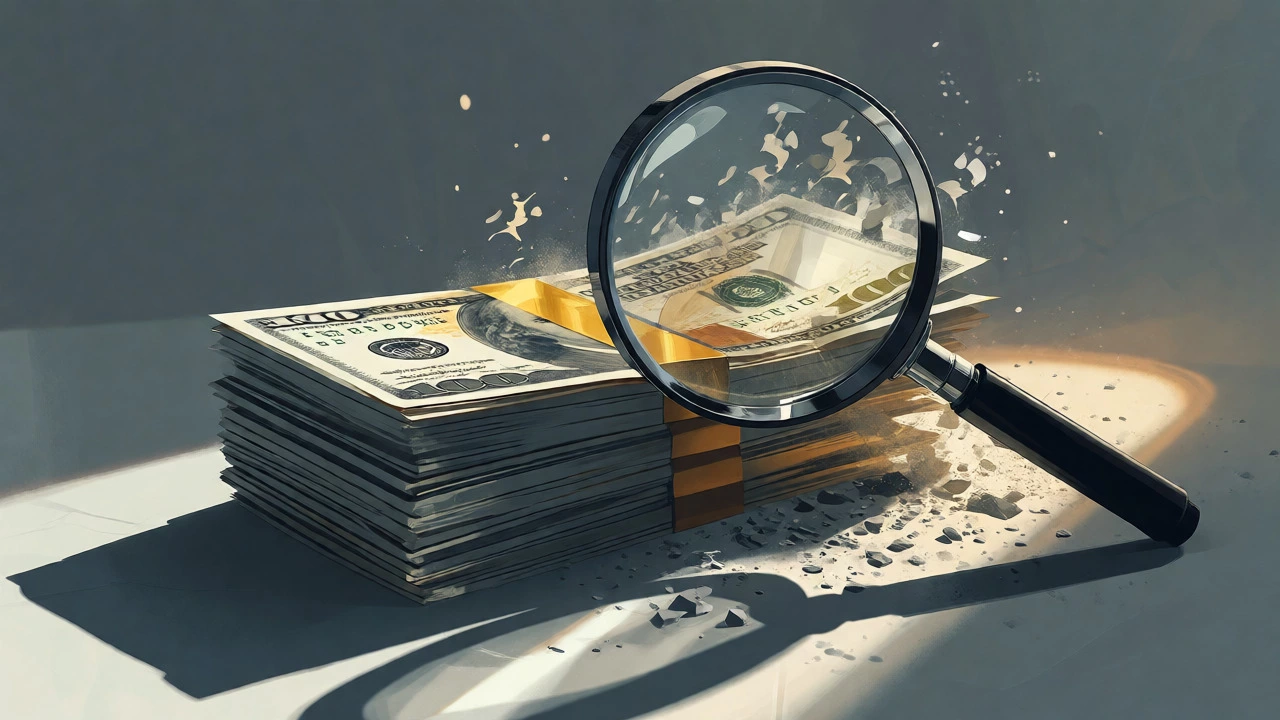
The Silent Killer: Inflation Risk
Cash has a hidden tax called inflation. When prices rise, your dollar buys less. Historically, inflation averages around 2-3% per year, but recent years have seen spikes above 7%. If your savings account pays 4% interest but inflation is 5%, you are effectively losing 1% of your wealth annually.
This is why holding excessive cash is dangerous. While stocks and bonds fluctuate, they historically outpace inflation over long periods. By keeping large sums in cash for decades, you guarantee a loss of real value. For example, $100,000 held in cash for 20 years with 3% annual inflation would have the purchasing power of roughly $55,000 by the end of the period. That’s nearly half your wealth gone, not because you spent it, but because time eroded it.
| Time Period | Initial Amount ($) | Purchasing Power (at 3% Inflation) | Real Loss ($) |
|---|---|---|---|
| 5 Years | $50,000 | $43,130 | $6,870 |
| 10 Years | $50,000 | $37,200 | $12,800 |
| 20 Years | $50,000 | $27,670 | $22,330 |
When More Cash Is Actually Better
There are scenarios where holding more than six months of expenses makes perfect sense. Context matters more than rules of thumb.
Job Instability: If you work in tech, construction, or any industry with cyclical hiring trends, a nine-to-twelve-month cushion might be prudent. The peace of mind alone is worth the slight drag on returns.
Near-Term Large Purchases: Are you buying a home in six months? Do not invest that down payment. Market volatility could wipe out 10% of your capital right when you need to sign the contract. Keep that money in a high-yield savings account or a certificate of deposit (CD).
Debt Payoff Phase: If you have high-interest debt (like credit cards at 18% APR), paying it off is a guaranteed 18% return. Until that debt is gone, accumulating excess cash beyond your emergency fund is usually inefficient. Throw every spare dollar at the debt instead.
Opportunity Cost: What Could That Cash Be Doing?
Opportunity cost is the potential benefit you miss out on when choosing one alternative over another. Every dollar sitting in a basic savings account earning 0.5% APY is a dollar not earning the historical average of 7-10% in the stock market (adjusted for inflation, maybe 5-7%).
Consider a hypothetical scenario: You have $30,000 in excess cash. If you leave it in a standard bank account for ten years, it grows slowly. If you invest it in a diversified portfolio of ETFs, it could potentially double or triple, depending on market conditions. Of course, investing comes with risk. You could lose money in the short term. That’s why the distinction between "emergency cash" and "investment cash" is critical.
A common mistake is moving investment money back into cash during market dips due to fear. If you find yourself constantly shifting between cash and investments based on headlines, you might be holding too much cash as an emotional hedge rather than a strategic choice.

Signs You’re Holding Too Much Cash
How do you know if you’ve crossed the line? Look for these red flags:
- You haven’t touched the surplus in over two years. If the money isn’t needed for emergencies or near-term goals, it’s stagnant.
- Your interest earnings barely cover inflation. Check your net real return. If it’s negative, your wealth is shrinking.
- You feel anxious about spending, even on necessities. Sometimes, hoarding cash is a symptom of financial anxiety rather than a rational strategy.
- You have multiple accounts with small balances. Fragmenting your cash makes it harder to track and optimize. Consolidate where possible.
What To Do With Excess Cash
Once you’ve identified your excess cash, you have several options to put it to work. The best choice depends on your risk tolerance and timeline.
- Pay Down High-Interest Debt: This is the safest "return" you can get. Eliminating a 15% interest loan is equivalent to earning a guaranteed 15% return.
- Fund Retirement Accounts: Max out contributions to IRAs or employer-sponsored 401(k)s. These offer tax advantages that boost effective returns.
- Invest in Index Funds or ETFs: For money you won’t need for 5+ years, broad-market index funds provide diversification and historical growth. Start with a small percentage if you’re nervous, then scale up.
- Taxes-Bills Ladder: If you’re self-employed, consider putting excess cash into short-term Treasury Bills or CDs to earn better yields while waiting for quarterly tax deadlines.
Remember, the goal isn’t to have zero cash. It’s to have the right amount of cash for the right reasons. Once your emergency fund is full and your short-term goals are funded, let the rest grow.
Is it bad to have too much money in a savings account?
Yes, primarily due to opportunity cost and inflation. While savings accounts are safe, their interest rates often lag behind inflation and investment returns. Holding excessive cash means you’re missing out on potential compound growth, effectively reducing your future purchasing power.
How much emergency fund is too much?
Generally, more than 12 months of essential living expenses is considered excessive unless you have highly irregular income or specific upcoming large expenditures. Beyond 12 months, the marginal utility of additional safety decreases, while the cost of lost investment returns increases.
Should I keep my house down payment in cash?
If you plan to buy a home within the next 1-3 years, yes. Keep it in a high-yield savings account or CD. The stock market is too volatile for such a short timeframe. A 10% drop could delay your purchase significantly. If the purchase is 5+ years away, you might consider a conservative mix of bonds and equities.
Does having a lot of cash affect my credit score?
No, your savings balance does not directly impact your credit score. Credit scores focus on how you manage debt, not how much you save. However, having sufficient cash reserves allows you to pay bills on time and avoid high credit utilization ratios, which indirectly supports a healthy score.
What is the best place to park excess cash?
For short-term needs (under 2 years), High-Yield Savings Accounts (HYSA) or Certificates of Deposit (CDs) are ideal. For medium-term (2-5 years), Treasury Bills or I-Bonds may offer better protection against inflation. For long-term excess, investing in diversified index funds is typically superior to cash holdings.