
Student Loan Forgiveness Checklist
Use this tool to track your progress through the final stages of student loan forgiveness. Click on each step to mark it as complete.
Confirm Eligibility Status
Check your FSA ID account or servicer portal. Ensure your payment count is correct (120 for PSLF, 20/25 years for IDR) and that no deferments were counted incorrectly.
Submit Employment Certification (PSLF Only)
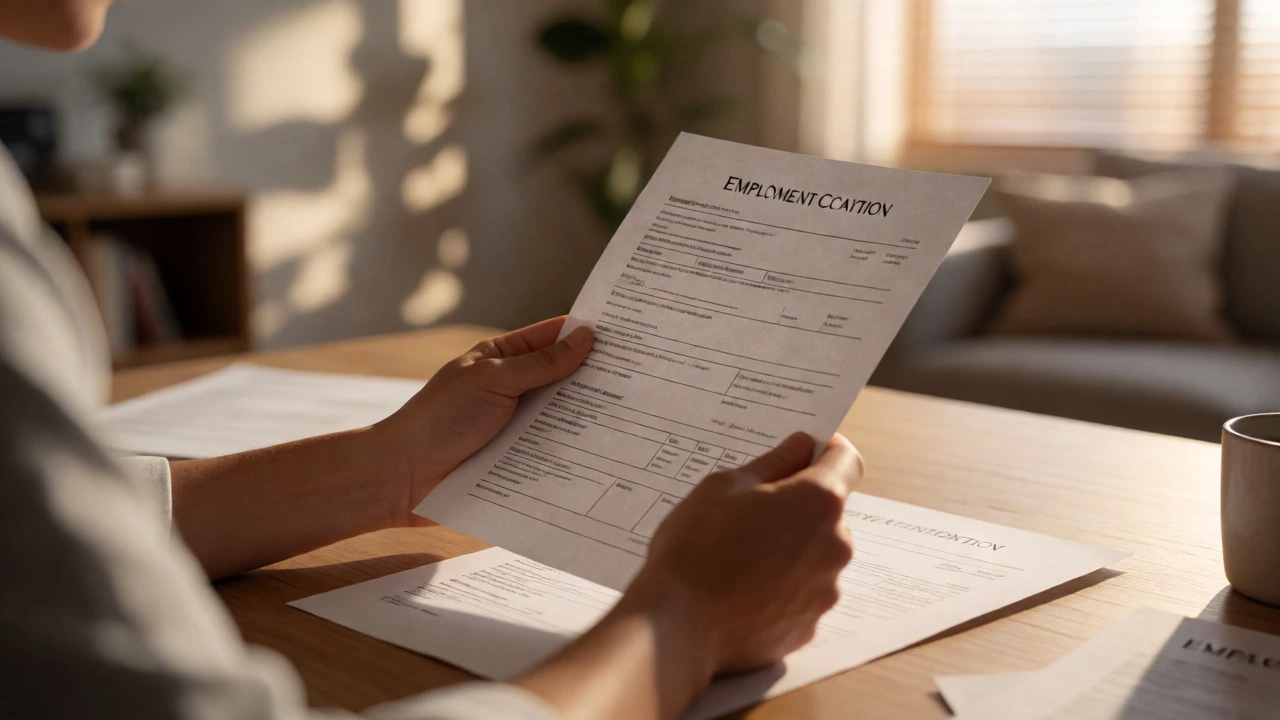
If you are in PSLF, ensure your Employment Certification Form (ECF) has been submitted and approved by MOHELA for all qualifying periods. Keep copies of signed forms.
Monitor Servicer Notification
Wait 4-8 weeks after your final payment. Look for a letter or email stating loans are "Discharged" or balance is $0.00. Silence may mean automatic processing, but verify status online.
Verify Credit Report
Pull reports from AnnualCreditReport.com. Ensure student loans show as "Closed" or "Paid in Full" with $0 balance. Dispute any errors immediately with proof of discharge.
Check Tax Implications
Federal forgiven debt is currently not taxable (through 2025). Verify state laws regarding forgiven debt taxation. Consult a tax professional if unsure.
Congratulations!
You have completed all verification steps. Your financial journey continues! Consider redirecting your former monthly payment toward savings, investments, or other debts.
Remember to keep your forgiveness confirmation letter for your records.
You did the hard part. You made your payments, you kept your records, and you stayed in a qualifying job or repayment plan for years. Now comes the question that keeps many borrowers up at night: how do I actually get my student loan forgiveness? It’s not just about waiting for a magical email from the Department of Education. There are specific steps, forms, and timelines you need to navigate to ensure the money is truly gone and your credit report reflects it.
Student loan forgiveness is the cancellation of all or part of a borrower's debt obligation on a federal student loan. Unlike refinancing, which swaps your old loans for a new private one, forgiveness wipes out the balance entirely, often without tax consequences under current federal law. But getting there requires more than just patience; it requires proactive management of your servicer relationship.
Confirming Your Eligibility Status
Before you start spending your newly freed cash, you need to be absolutely sure you’ve hit the finish line. The biggest mistake borrowers make is assuming they are eligible when their payment count is off by even one month. This usually happens because of deferment periods, forbearances, or switching repayment plans mid-stream.
If you are pursuing Public Service Loan Forgiveness (PSLF), you must have 120 qualifying monthly payments while working full-time for a government or non-profit employer. If you are on an Income-Driven Repayment (IDR) plan, you typically need 20 or 25 years of payments depending on the specific plan type. Check your FSA ID account on the Federal Student Aid website. Look specifically at your "Loan Details" section. Does it say "Forgiven"? Or does it still show a remaining balance?
If it still shows a balance, check the last payment date. Sometimes, servicers like MOHELA, Nelnet, or Aidvantage process payments slowly. If you made your 120th payment last week, give it 30 to 60 days for the system to update. If it has been three months since your final qualifying payment and nothing has changed, you need to act.
The Paper Trail: Certifying Employment
For PSLF borrowers, this is the most critical step. Many people wait until the very end to submit their paperwork, which can delay forgiveness by months. Ideally, you should have submitted the Employment Certification Form (ECF) annually or whenever you changed jobs. These forms tell the Department of Education that your employer qualifies.
If you haven’t submitted an ECF recently, do it now. Even if you think you’re done paying, you need proof that those last few years counted. Fill out the form with your current supervisor or HR department. They need to sign it and send it directly to MOHELA (the current PSLF servicer). Don’t rely on verbal confirmation. Get the signed PDF. Keep a copy for your own records. If your servicer loses it-and they do lose things sometimes-you’ll need that backup to prove you worked for a qualifying agency.
Understanding the Notification Process
So, how do you know it’s happening? The Department of Education doesn’t always send a fancy certificate. Usually, you will receive a letter or an email stating that your loans have been discharged. This notice will specify the amount forgiven and the date of discharge.
However, silence isn’t always bad news. Sometimes, the system updates automatically once the final payment clears. Log into your servicer’s portal. If your balance drops to $0.00 and the status changes to "Paid in Full" or "Discharged," you are likely in the clear. But don’t stop there. You need to verify this across multiple platforms.

Verifying with Credit Bureaus
This is where many borrowers slip up. Just because your loan servicer says you’re done doesn’t mean your credit report agrees. Credit bureaus-Equifax, Experian, and TransUnion-receive data from servicers, but there can be lag times or errors. A loan that was forgiven might still show as "open" with a small balance due to reporting delays.
Pull your free weekly credit reports from AnnualCreditReport.com. Look for your student loan accounts. They should now show a balance of $0 and a status of "Closed" or "Paid." If you see an open account with a balance, dispute it immediately. Provide the servicer with your forgiveness confirmation letter. This step protects your credit score and ensures future lenders see your true financial picture.
Tax Implications: Is It Taxable?
A common fear is that forgiveness counts as income, meaning you owe taxes on the amount forgiven. For federal student loan forgiveness programs like PSLF and IDR, the answer is currently no. Under the American Rescue Plan Act of 2021, canceled student loan debt is not considered taxable income for federal purposes through 2025. While we are now in late 2026, Congress has frequently extended these provisions, but you should double-check current IRS guidelines for the year your forgiveness occurred.
State taxes vary. Some states align with federal rules, while others might treat forgiven debt differently. Check with your state’s department of revenue or a local tax professional. Do not assume zero tax liability without verifying your state’s stance.

What If My Application Was Denied?
Sometimes, you get a denial letter. Don’t panic. Denials are often administrative rather than substantive. Common reasons include:
- Your employer didn’t qualify (e.g., a for-profit entity).
- You were on a non-qualifying repayment plan during certain years.
- Payments were made while in deferment or forbearance.
- The servicer processed the wrong number of payments.
If you disagree with the decision, you have the right to appeal. Request a review of your file. Ask for a detailed breakdown of which payments were counted and which were rejected. Often, a simple error in payment posting can be corrected with a phone call and some documentation. You can also contact the Federal Student Aid Ombudsman Group if you feel your case wasn’t handled fairly.
Next Steps After Forgiveness
Once your loans are officially forgiven, your financial life changes. You no longer have a monthly student loan payment. What do you do with that extra cash flow? Consider redirecting that money toward other goals. Maybe you finally start investing in a Roth IRA, build a larger emergency fund, or tackle high-interest credit card debt.
Also, remember that forgiveness doesn’t erase the history of the loan. It remains on your credit report for up to seven years from the date of first delinquency, though it will show as paid/closed. This is generally good for your credit mix and length of credit history, so keep the account open on your report if possible.
| Action Item | Who to Contact | Timeline | Why It Matters |
|---|---|---|---|
| Check Loan Balance | Loan Servicer Portal | Immediately after final payment | Confirms servicer processed final payment |
| Submit Employment Certification | MOHELA (for PSLF) | Annually or upon job change | Proves employer eligibility for past years |
| Review Credit Report | AnnualCreditReport.com | 30-60 days post-forgiveness | Ensures accurate reporting to lenders |
| File Taxes | IRS / State Revenue Dept | Next tax season | Confirms no unexpected tax bill |
How long does it take to receive student loan forgiveness after the final payment?
Typically, it takes 4 to 8 weeks after your final qualifying payment is processed for the Department of Education to issue a formal notification of forgiveness. However, for PSLF, this can sometimes stretch to several months if additional verification of employment history is required. Always monitor your servicer account for updates during this window.
Do I need to apply for forgiveness separately?
For Income-Driven Repayment (IDR) forgiveness, you generally do not need to apply separately; it happens automatically after 20 or 25 years of qualifying payments. For Public Service Loan Forgiveness (PSLF), you must actively submit the Employment Certification Form and eventually a final application to confirm you have completed 120 qualifying payments. Never assume automatic processing for PSLF.
Will student loan forgiveness affect my credit score?
Yes, but usually positively or neutrally. When a loan is forgiven, it is reported as "paid in full" or "closed." This removes the monthly payment obligation, which improves your debt-to-income ratio. However, closing an older account can slightly reduce the average age of your credit accounts. Most borrowers see little to no negative impact, and many see an improvement due to reduced utilization ratios on revolving credit.
What happens if my servicer makes a mistake?
If your servicer fails to count a qualifying payment or misclassifies your repayment plan, you should first request a correction in writing. Include proof of payment and plan enrollment. If the servicer refuses to correct the error, escalate the issue to the Department of Education’s Federal Student Aid Ombudsman Group. They serve as an independent mediator for disputes regarding federal student aid.
Is forgiven student loan debt taxable income?
Under current federal law, canceled debt from federal student loan forgiveness programs like PSLF and IDR is not considered taxable income. This provision was extended through 2025 by the American Rescue Plan Act. Borrowers should verify current state laws, as some states may still treat forgiven debt as taxable income. Consult a tax professional for advice specific to your location and situation.