
Leftover Budget Assigner
Your Budget Input
Assign Your Funds
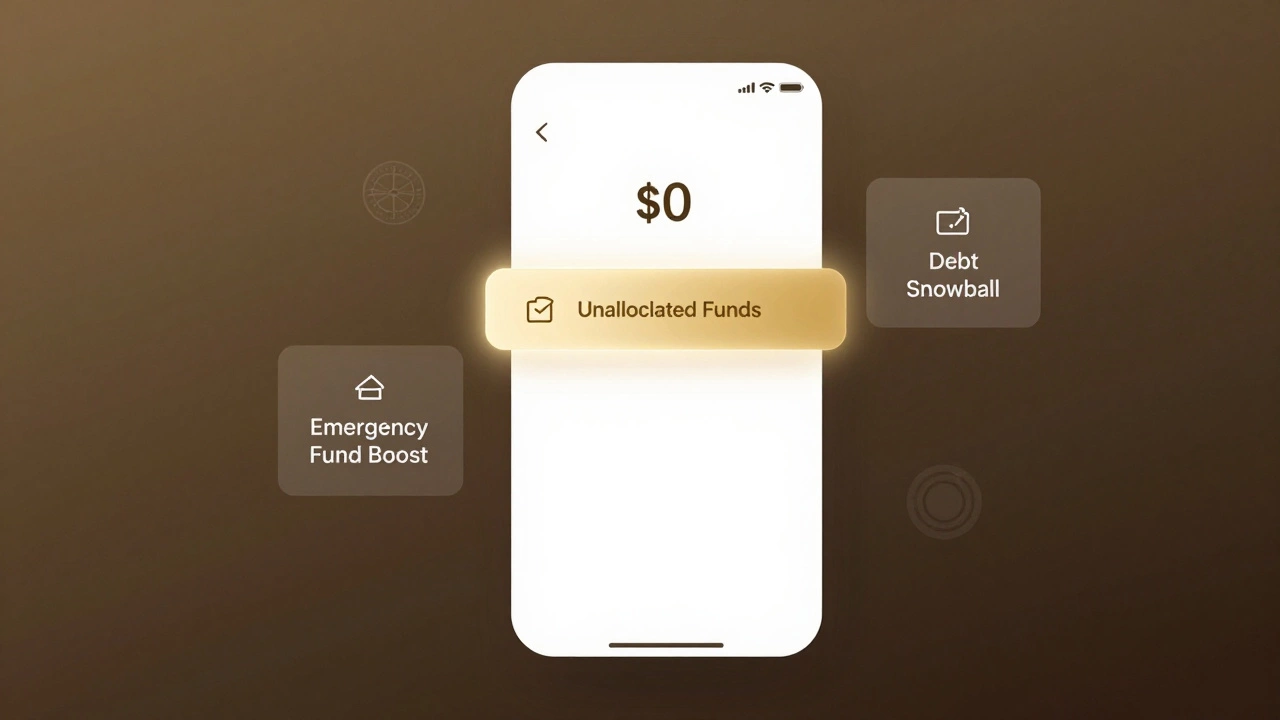
Unallocated Funds
$0.00
Ever finished your monthly budget and noticed there’s cash left over? You might’ve thought, "Great, I saved money!" But here’s the thing - that leftover cash isn’t just "extra." It has a real name, and knowing it changes how you manage your money for good.
It’s Called Unallocated Funds - Not "Extra"
Leftover budget doesn’t get called "spare cash" or "bonus money" in serious budgeting circles. It’s unallocated funds. That means you’ve spent every dollar you planned to spend… and still have some left. This isn’t luck. It’s the result of sticking to a budget that actually tracks every dollar.
Think of it like this: if you budgeted $500 for groceries and only spent $420, you didn’t "save" $80. You just didn’t spend it yet. That $80 is still part of your budget - it just hasn’t been assigned to anything. Until you give it a job, it’s just sitting there, waiting to be ignored… or wasted.
Why "Leftover" Is Dangerous
Most people treat leftover budget like free money. They spend it on impulse buys - a new phone case, a weekend getaway, or just scrolling through Amazon. That’s not smart. It’s not saving. It’s budget drift.
Here’s what happens when you don’t name it: the money disappears into your spending habits. You start thinking, "I don’t need to budget next month because I had extra this month." But next month, your car breaks down or your phone dies. And suddenly, you’re broke again.
The fix? Give every dollar a job. That’s the core of zero-based budgeting. No dollar should be unassigned. Not even one cent.
Zero-Based Budgeting: The System That Names Every Dollar
Zero-based budgeting isn’t fancy. It’s simple: start with $0. Then assign every single dollar of your income to a category - rent, groceries, savings, debt, fun money, even "miscellaneous." If you have money left after all categories are filled, you don’t stop. You create a new category for it.
That leftover? You give it a name:
- Emergency Fund Boost - if you’re building a safety net
- Debt Snowball - extra payments on credit cards or student loans
- Future Expense Fund - for things like car repairs, holiday gifts, or vet bills
- Investment Pool - if you’re starting to put money into ETFs or a brokerage account
- Personal Reward - yes, you can spend it… but only if you planned for it
Once you name it, it’s no longer "leftover." It’s intentional. And intentionality is what separates people who stay financially stable from those who live paycheck to paycheck.

The Envelope System: Old School, Still Powerful
Back in the day, people used cash envelopes. Rent got its envelope. Groceries got another. Fun money got a third. If you had cash left over at the end of the month, you didn’t touch it. You put it in a "Future Goals" envelope.
Today, you don’t need cash. Apps like YNAB (You Need A Budget) or even a simple spreadsheet do the same thing. You start with $0. You assign every dollar. If you have leftover, you move it to your next priority.
One woman in Wellington, New Zealand, used to have $300 left over every month. She didn’t know what to do with it. She started putting it into a "Future Car Fund." Two years later, she bought a reliable used Toyota - cash. No loan. No stress. Just a name she gave to leftover money.
What Not to Do With Unallocated Funds
Don’t just let it sit in your checking account. That’s the fastest way to lose control. You’ll forget it’s there. You’ll spend it without thinking.
Don’t call it "savings." Savings implies you’ve already decided where it’s going. Unallocated funds aren’t saved - they’re waiting to be assigned.
Don’t assume it means you’re "doing well." Maybe you under-budgeted groceries. Maybe you didn’t go out to eat once all month. That’s not a win - it’s a mistake in planning.
Real budgeting isn’t about cutting fun. It’s about owning your choices. If you didn’t spend on dining out, maybe you should’ve budgeted for a movie night instead. The goal isn’t to spend less. It’s to spend wisely.

How to Turn Leftover Budget Into Real Progress
Here’s how to make unallocated funds work for you:
- Review last month - why did you have leftover? Was it overspending elsewhere? Or did you actually underspend?
- Assign it - pick one goal from the list above. Don’t split it. Focus.
- Move it - if you use a bank app, transfer it. If you use cash, put it in the right envelope.
- Repeat - do this every month. Make it a habit.
Some months, you’ll have $50 left. Others, $300. Doesn’t matter. The system works because you’re always moving money forward.
What Happens When You Stop Ignoring It
One guy in Auckland tracked his unallocated funds for 18 months. He started with $20-$50 leftover each month. He put it all into a separate savings account labeled "Debt Freedom." By month 15, he paid off his $4,000 credit card debt. No raise. No windfall. Just consistent, named leftover cash.
That’s the power of calling it what it is: unallocated funds. Not "extra." Not "bonus." Not "I’ll figure it out later."
When you name it, you own it. And when you own it, you stop letting money slip through your fingers.
Final Thought: Your Budget Should Never End
A budget isn’t a one-time plan. It’s a living system. Every dollar you earn should have a job. Every leftover dollar should get a new one.
Leftover budget isn’t a reward. It’s a responsibility. Name it. Move it. Repeat.
Is leftover budget the same as savings?
No. Savings means you’ve already decided where the money is going - like an emergency fund or retirement account. Leftover budget is unallocated. It hasn’t been assigned yet. If you don’t give it a purpose, it’s not savings. It’s just sitting there, waiting to be spent.
Can I just keep leftover money in my checking account?
You can, but you shouldn’t. Money in checking gets spent by accident. You’ll see it and think, "I’ve got cash," and buy something you didn’t plan for. Move it to a separate account or category so it’s out of sight - and out of temptation.
What if I always have leftover money? Am I budgeting too tightly?
Not necessarily. If you’re consistently under-spending in one category, it might mean you overestimated your needs. But it could also mean you’re missing out on joy. Maybe you’re not spending on hobbies, dining, or gifts because you’re afraid to use your budget. Revisit your categories. Add "fun money" if you don’t have it. Budgeting isn’t about deprivation - it’s about control.
Do I need an app to manage unallocated funds?
No. Apps like YNAB or EveryDollar help, but you can do it with a notebook and envelopes. The tool doesn’t matter. What matters is that you name each dollar. If you can write it down and move it, you’re doing it right.
What’s the difference between unallocated funds and a surplus?
A surplus usually means you earned more than expected. Unallocated funds mean you spent less than planned. One is about income; the other is about spending. You can have unallocated funds even if your income didn’t change.