
Homeowners Insurance Coverage Checker
Click on a scenario below to see if it is typically covered by a standard HO-3 Homeowners Insurance Policy.
Burst Pipe in Kitchen
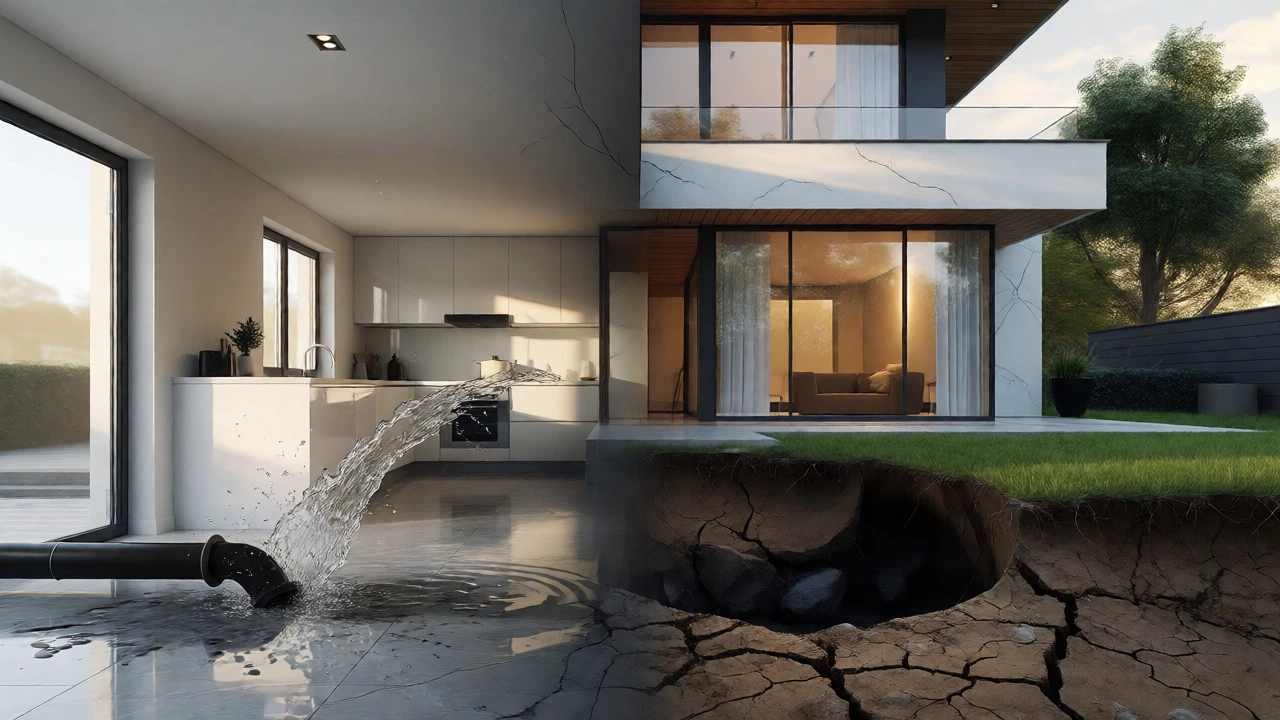
Sudden accidental discharge from internal plumbing.
Typically CoveredStorm Surge / River Overflow
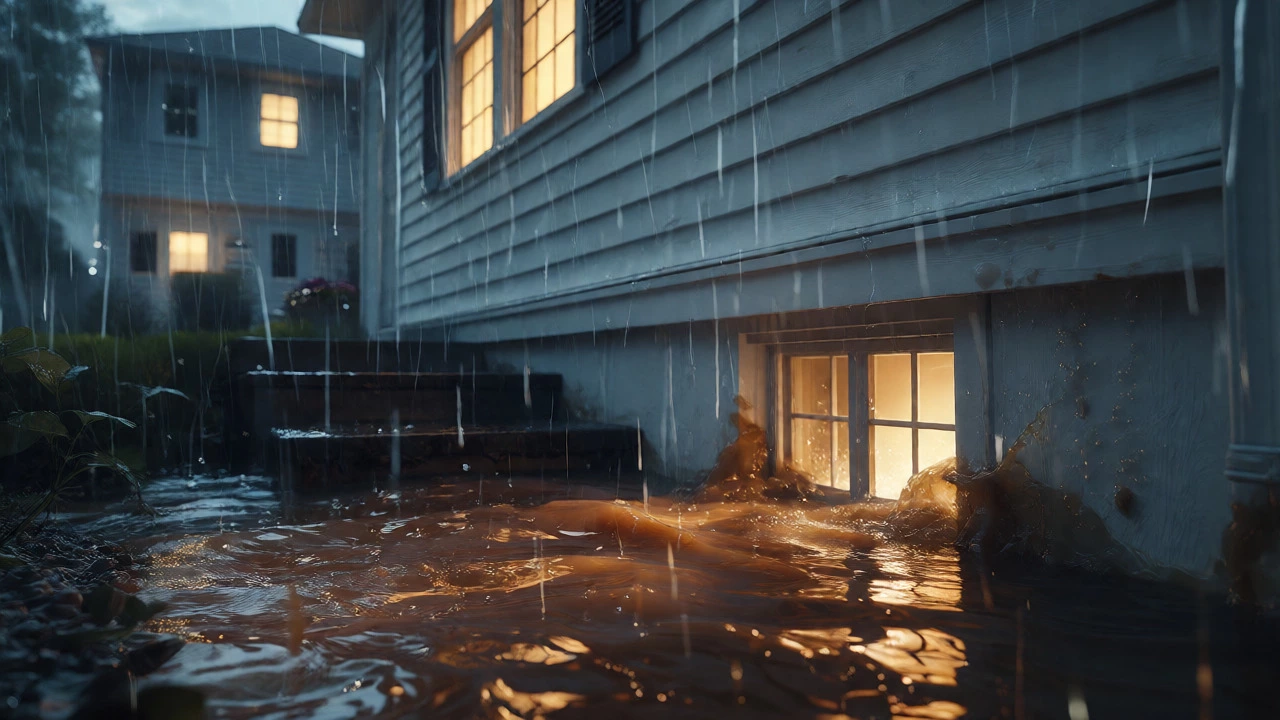
Water rising from outside due to weather events.
Not Covered (Standard)Earthquake Damage
Structural damage caused by seismic activity.
Not Covered (Standard)Wind Blows Rain Through Broken Window
Rain entering after wind damage creates an opening.
Usually CoveredTermite Infestation
Damage caused by pests eating wood/structure.
Not CoveredMold Growth After Leak
Remediation costs for mold following water damage.
Limited CoverageSinkhole Collapse
Ground suddenly dropping beneath the foundation.
Not Covered (Standard)Fire Damage
Damage caused by fire or smoke.
CoveredJewelry Theft ($10k Ring)
Loss of high-value personal property.
Sub-limitedRoof Leak Due to Age
Leak caused by worn-out shingles (25+ years).
Not CoveredLegend:
You just bought your dream home. You shopped around for the best homeowners insurance rate, signed the papers, and felt secure knowing your biggest asset was protected. Then a heavy rainstorm hits, water seeps through your basement floor, and you call your agent expecting a claim. The response? "Sorry, that’s not covered." It’s a shock that catches thousands of homeowners off guard every year. Most people assume their policy covers everything related to their house, but standard HO-3 policies (the most common type in the US) are actually quite specific about what they exclude.
The two biggest surprises for new homeowners are usually Flood Damage and Earth Movement (such as earthquakes or sinkholes). These aren’t minor oversights; they are fundamental exclusions designed to keep premiums affordable for everyone. If you live in a high-risk zone, skipping these add-ons could leave you with a six-figure repair bill out of pocket. Let’s break down exactly why these two categories are excluded, how they differ from other disasters, and what you can do to plug those gaps before disaster strikes.
Why Floods Are Excluded From Standard Policies
It seems counterintuitive, right? If wind blows rain into your broken window, it’s covered. But if the ground gets so saturated that water rises up through your foundation, it’s not. The distinction lies in the source of the water. Standard homeowners insurance covers "sudden and accidental" water damage from internal sources-like a burst pipe, an overflowing washing machine, or a roof leak caused by hail. It generally does not cover water that comes from outside the home structure due to natural accumulation.
Flood Insurance is typically handled separately because floods are catastrophic events that affect entire communities simultaneously. If insurance companies had to pay out for every flooded basement in a county during a hurricane, their reserves would be drained instantly, making basic policies unaffordable for everyone else. This is why the federal government created the National Flood Insurance Program (NFIP). While private insurers exist, NFIP remains the primary provider for many Americans.
| Scenario | Covered by Standard HO-3? | Requires Flood Policy? |
|---|---|---|
| Burst Pipe in Kitchen | Yes | No |
| Rain Enters Through Open Window | Usually Yes | No |
| Storm Surge/River Overflow | No | Yes |
| Groundwater Seepage | No | Yes (or endorsement) |
If you live near a body of water, even if you’re not in a designated FEMA Zone A (high risk), you might still need this coverage. Statistics show that over 20% of flood insurance claims come from homes in moderate-to-low risk areas. Don’t let the map fool you; geography changes, drainage systems fail, and flash floods don’t check zip codes before hitting.
The Complexity of Earth Movement Exclusions
The second major gap involves anything the ground does beneath your feet. This category, known as Earth Movement, includes earthquakes, landslides, mudflows, and often sinkholes. Like floods, these are widespread perilous events that pose a massive financial risk to insurers. Consequently, standard policies almost universally exclude them.
Here is where it gets tricky: some states require insurers to offer earthquake coverage as an endorsement (an add-on to your existing policy), while others require separate standalone policies. For example, California residents must be offered earthquake coverage, but they aren’t forced to buy it. In contrast, Oklahoma has seen a rise in sinkhole issues linked to wastewater injection, leading to specific state regulations on how these are treated.
Sinkholes are particularly confusing. In some regions, like Florida, sinkhole coverage is available as a specific endorsement that covers "catastrophic ground cover collapse." However, it might not cover gradual settling or cracking unless the ground actually collapses. Always read the fine print on your specific policy definition of "earth movement." If you live in a seismic zone or an area prone to subsidence, assuming your standard policy protects your foundation is a dangerous gamble.
Other Commonly Misunderstood Exclusions
While floods and earth movement are the big two, they aren’t the only surprises lurking in your policy documents. Understanding the logic behind exclusions helps you anticipate other potential gaps.
- Mold: Many policies cap mold remediation costs at $1,000-$10,000. If a large flood leads to extensive mold growth, you’ll likely exceed that limit quickly. Some insurers offer higher limits via endorsements, but base coverage is low.
- Wear and Tear: Insurance covers sudden accidents, not maintenance failures. If your roof leaks because it’s 25 years old and worn out, the insurer will deny the claim. They expect you to maintain the property.
- Pest Infestations: Termites, rodents, and bedbugs are considered preventable maintenance issues. Damage from termites eating your beams isn’t covered, nor is the cost to exterminate them.
- High-Value Items: Standard personal property coverage has sub-limits for jewelry, art, and electronics. A $10,000 diamond ring might only be covered up to $1,500 under a standard policy. You need a "scheduled personal property" rider to fully insure it.
Notice the pattern? Insurers cover unpredictable, sudden, external forces (like a tree falling or a fire starting). They exclude predictable, gradual, or preventable issues (like aging roofs or pest infestations). This keeps premiums lower for the average homeowner who maintains their home responsibly.

How to Identify Your Specific Risk Gaps
Knowing the general rules is one thing; applying them to your specific life situation is another. Here is a quick checklist to determine if you need extra coverage beyond the standard policy.
- Check Your Flood Zone: Use the FEMA Flood Map Service Center to look up your address. Even if you’re in Zone X (minimal risk), lenders may require flood insurance if there’s a history of local flooding.
- Research Local Geology: Search for "sinkhole maps" or "seismic activity" for your county. The USGS National Earthquake Information Center provides data on recent tremors in your area.
- Audit Your Possessions: Walk through your home and list items worth more than $2,000 each. Check your current policy’s sub-limits for jewelry, firearms, and collectibles. If the value exceeds the limit, you need scheduled coverage.
- Review Water Backup Coverage: Standard policies often exclude sewer backups. Adding a "water backup and sump overflow" endorsement is cheap (often $50-$100/year) and can save you thousands in cleanup costs.
Don’t rely solely on your real estate agent’s advice. Agents want to close the deal; you want long-term security. Ask your insurance broker directly: "What are the three most common claims denied in my neighborhood?" Their answer will reveal the local risks better than any generic article.
The Cost-Benefit Analysis of Add-Ons
Many homeowners skip flood or earthquake coverage because of the upfront cost. A typical flood policy might cost $700-$900 per year, and earthquake endorsements can range from $200 to over $1,000 depending on location. Is it worth it?
Consider the deductible. For earthquakes, deductibles are often percentage-based (e.g., 10%-15% of the dwelling coverage). On a $400,000 home, a 10% deductible means you pay the first $40,000 of repairs yourself. That’s a significant chunk of change. However, without the policy, you’d pay the full $400,000+ if the house is totaled. For floods, the deductible is usually fixed ($1,000-$10,000), which is easier to manage.
Think of these add-ons as catastrophe protection. You wouldn’t drive a car without liability insurance because you hope you won’t hit anyone. Similarly, you shouldn’t own a home in a vulnerable area without protecting against the most likely catastrophic event. The peace of mind alone is often worth the annual premium.
Does homeowners insurance cover water damage from a leaking roof?
It depends on the cause. If a storm or hail damages the roof and causes a leak, yes, it is covered. If the roof is old and simply wears out, causing a leak, no, it is considered maintenance and is not covered.
Is earthquake insurance required by law?
No, earthquake insurance is rarely required by law. However, some mortgage lenders may require it if your property is in a high-seismic-risk zone. States like California require insurers to offer it, but you are not forced to buy it.
Can I get flood insurance if I already have a flood?
Generally, no. There is usually a 30-day waiting period for new NFIP policies to take effect. Buying insurance after the water starts rising is too late. Exceptions exist for certain lender-required purchases during closing.
Are sinkholes covered by standard homeowners insurance?
In most cases, no. Sinkholes fall under "earth movement," which is excluded. However, some states (like Florida) offer specific sinkhole coverage endorsements, or the policy may cover "ground cover collapse" if the ground suddenly drops.
What happens if I don't have flood insurance and my house floods?
You pay out of pocket. Federal disaster assistance (FEMA grants) is often limited to small amounts (e.g., $5,000-$10,000) for immediate needs and requires repayment if you have insurance later. It is not a substitute for proper insurance.