

HYSA Risk & Real Return Calculator
Enter your current savings details below to see how much you are truly earning in today's dollars, and whether your balance is fully protected by federal insurance.
Account Details
Most people assume that putting money in a high-yield savings account is the safest place for cash. After all, it pays more than a standard checking account and sits at a federally insured bank. But does "safe" mean you can never lose a cent? The short answer is no, but the reasons why are rarely what you think.
You won't lose your principal because the bank went bust-that’s handled by the government. However, you can definitely lose purchasing power, pay unexpected fees, or miss out on better opportunities. Understanding these subtle risks helps you decide if this tool actually fits your financial goals or if it's just a comfortable trap for your idle cash.
The Safety Net: How FDIC Insurance Protects Your Principal
First, let's clear up the biggest fear: bank failure. If the institution holding your High-Yield Savings Account (HYSA) collapses, do you get your money back? Yes. As long as the bank is member of the Federal Deposit Insurance Corporation (FDIC), your deposits are guaranteed up to $250,000 per depositor, per ownership category.
This protection covers both the original deposit and any accrued interest. So, if you have $249,000 in one HYSA and earn $1,000 in interest before the bank fails, you are still covered because the total is under the limit. This safety net makes HYSAs significantly safer than investing in stocks or bonds, where market fluctuations can wipe out value overnight. The only way to lose your actual cash due to institutional failure is if you hold more than $250,000 in a single bank without splitting accounts across different ownership categories or institutions.
Inflation: The Silent Thief of Purchasing Power
Here is where most people actually "lose" money in a savings account, even though their balance goes up. Inflation erodes the value of every dollar you hold. If your HYSA pays an Annual Percentage Yield (APY) of 4.5%, but inflation runs at 5%, your real return is negative. You technically have more dollars, but they buy fewer goods than before.
This isn't a risk unique to savings; it affects cash held anywhere. However, because HYSAs are designed for stability rather than growth, they often struggle to keep pace with high-inflation periods. For example, during spikes in consumer price indices, fixed-rate savings products may lag behind the cost of living. To mitigate this, many finance experts suggest keeping only 3-6 months of emergency funds in an HYSA and moving excess cash into assets that historically outpace inflation, such as index funds or Treasury Inflation-Protected Securities (TIPS).

Variable Rates: When Interest Drops Suddenly
Unlike certificates of deposit (CDs), which lock in a rate for a set term, most HYSAs offer variable interest rates. This means the bank can change the APY at any time, usually with very little notice. While banks rarely lower rates drastically without warning, economic shifts can cause rapid adjustments.
If the Federal Reserve cuts interest rates to stimulate the economy, your HYSA yield will likely drop immediately. You might sign up expecting 5% returns, only to see it slide to 3% six months later. This creates an opportunity cost risk: you locked your cash in a low-yield vehicle while other investment options might have been available. It doesn't mean you lost money, but it means you earned less than you anticipated, potentially delaying your financial milestones like saving for a down payment or retirement.
Fees and Penalties: The Hidden Costs
Many online banks advertise "no monthly maintenance fees" for HYSAs, but this comes with conditions. Common triggers for fees include:
- Maintaining a minimum balance below a certain threshold (e.g., $500 or $1,000).
- Making excessive withdrawals (more than six per month, per Regulation D rules, though recent changes have relaxed this, banks may still impose internal limits).
- Using out-of-network ATMs or wire transfers, which often carry transaction fees.
If you treat your HYSA as a primary spending account rather than a storage unit, these small charges can add up. A $12 monthly fee on a $1,000 balance effectively wipes out several months of interest earnings. Always read the fine print regarding minimum balance requirements and withdrawal limits before opening an account.
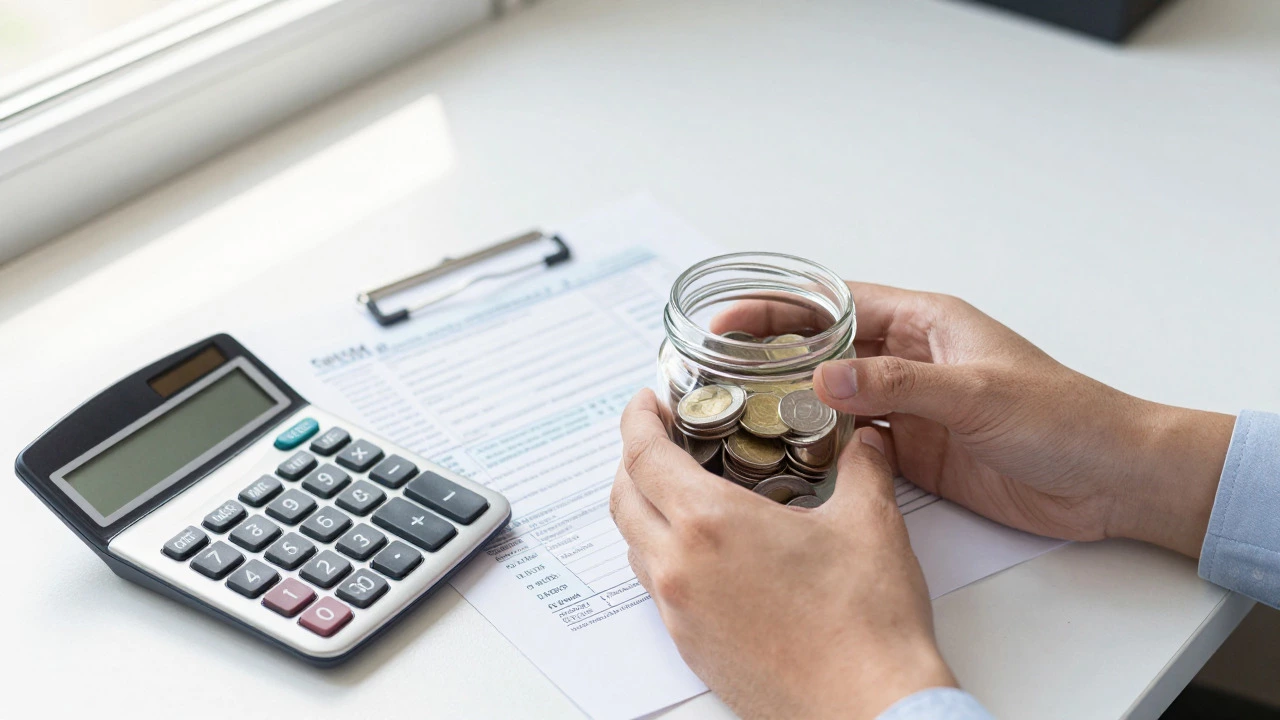
Tax Implications: Paying the Government Your Share
Interest earned in a HYSA is taxable income. Unlike some tax-advantaged accounts like IRAs or 529 plans, there is no special tax break for regular savings interest. At the end of the year, the bank will issue a Form 1099-INT if you earned more than $10 in interest. You must report this on your federal and possibly state tax returns.
For high-income earners in higher tax brackets, the after-tax return on a HYSA can be significantly lower than the advertised APY suggests. For instance, if you are in the 32% federal tax bracket plus state taxes, your effective return could drop by nearly half. This is another form of "loss"-not of principal, but of potential net gain. Comparing pre-tax yields between savings and taxable investments requires careful calculation of after-tax returns.
| Risk Factor | High-Yield Savings Account | Certificate of Deposit (CD) | Stock Market Index Fund |
|---|---|---|---|
| Principal Loss (Bank Failure) | Low (FDIC Insured) | Low (FDIC Insured) | High (Market Volatility) |
| Inflation Risk | Medium-High | Medium | Low (Long-term Growth) |
| Rate Change Risk | High (Variable Rate) | Low (Fixed Rate) | N/A (Market Driven) |
| Liquidity | High (Instant Access) | Low (Penalty for Early Withdrawal) | High (Sell Anytime) |
How to Minimize Risks in Your Savings Strategy
You don't need to avoid HYSAs entirely to protect yourself. Instead, use them strategically. Here are practical steps to reduce downside risk:
- Stay Under the Limit: Keep balances under $250,000 per bank, or split funds across multiple institutions to maximize FDIC coverage.
- Monitor Rates Quarterly: Check your APY every three months. If it drops significantly, consider moving funds to a CD or a different bank with a better rate.
- Separate Emergency Funds from Long-Term Goals: Use HYSAs for short-term needs (1-3 years). Move longer-term savings into diversified investments to combat inflation.
- Watch for Fees: Ensure your balance stays above minimum thresholds and avoid unnecessary transactions.
- Calculate After-Tax Returns: Compare your net yield against other options like Treasury bills or money market funds, which may offer similar safety with different tax treatments.
By treating your HYSA as a tactical tool rather than a permanent home for all your cash, you can enjoy its benefits-liquidity and safety-while mitigating the risks of inflation, rate cuts, and fees. The goal isn't to eliminate all risk, but to ensure the risks you take align with your timeline and comfort level.
Is my money safe if my online bank goes out of business?
Yes, provided the bank is FDIC-insured. Your deposits and accrued interest are protected up to $250,000 per depositor, per ownership category. The FDIC will typically transfer your accounts to a healthy institution within a few days of a failure.
Can I lose money due to inflation in a high-yield savings account?
You won't lose nominal dollars, but you can lose purchasing power. If the inflation rate exceeds your account's APY, your money buys less over time. This is known as negative real return.
Do high-yield savings accounts have hidden fees?
Some do. Common fees include monthly maintenance charges for falling below a minimum balance, wire transfer fees, and penalties for excessive withdrawals. Always review the bank's fee schedule before opening an account.
How does the interest rate on a HYSA compare to a CD?
HYSA rates are variable and can change anytime, while CD rates are fixed for the term. CDs often offer slightly higher rates in exchange for locking up your money, but they carry early withdrawal penalties.
Are interest earnings from a HYSA taxed?
Yes, interest earned is considered taxable income. You will receive a 1099-INT form if you earn more than $10 in a calendar year, and you must report it on your tax return.