
What's a Good APR for a Credit Card in 2026?
Discover what constitutes a good APR for credit cards in 2026. Learn how credit scores, purchase vs. balance transfer rates, and repayment habits impact your true cost of borrowing.
If you’ve ever felt overwhelmed by the sea of credit‑card offers, you’re not alone. The right card can earn you travel miles, cash back, or lower interest, but the wrong one can dig a hole in your budget fast. This page breaks down the basics, points out common traps, and gives you real‑world tips you can apply today.
Start with what matters most to you. Do you spend a lot on groceries? A cash‑back card that gives 2% on everyday purchases may beat a travel card that only rewards flights. If you travel abroad often, look for cards with no foreign‑transaction fees and strong airline partnerships.
Next, check the annual fee. Some premium cards charge £150‑£250 but bundle lounge access, travel insurance, and higher reward rates. If you won’t use those perks, a no‑fee card will usually give a better net return.
Don’t forget the interest rate. Even if you pay the balance in full each month, a high APR can bite you if an emergency forces you to carry a balance. Compare the representative APRs and see if the card offers a 0% intro period for purchases or balance transfers.
Finally, read the fine print on sign‑up bonuses. The Chase 24‑month rule, for example, limits how often you can claim large bonuses from the same issuer. Knowing this rule helps you plan when to apply for a new card and avoid missing out on lucrative offers.
One big error is using a card for cash advances. The interest starts immediately, and fees can be 3‑5% of the amount. It’s an easy way to rack up debt that’s hard to pay off.
Another trap is letting a card sit unused. While it’s tempting to keep the card open just in case, inactivity can lead the issuer to close the account, which may hurt your credit utilization ratio and lower your score.
If you’re carrying a hefty balance—say £50k on credit cards—focus on a debt‑repayment strategy before chasing new rewards. High‑interest debt erodes any cash‑back you earn. Look into balance‑transfer offers that give you a 0% period and a lower APR, then create a realistic payoff plan.
Considering canceling a card? Weigh the impact on your credit history. Closing an older account can shorten your average account age and increase your utilization ratio, both of which can drop your score. Sometimes it’s smarter to stop using the card, keep it open, and let it sit idle.
Lastly, watch out for hidden fees. Some cards charge overseas transaction fees, late‑payment fees, or even monthly maintenance charges after a certain period. Read the terms sheet before you sign up; it saves you surprise costs later.
By focusing on your spending habits, keeping an eye on fees, and staying aware of credit‑score factors, you can turn a credit card into a useful financial tool rather than a liability. Browse our detailed reviews—like the Capital One lineup, the best comparison sites, and the latest bonus offers—to find the card that matches your lifestyle. Happy card hunting!

Discover what constitutes a good APR for credit cards in 2026. Learn how credit scores, purchase vs. balance transfer rates, and repayment habits impact your true cost of borrowing.

Discover how common a 700 credit score is among US consumers. Learn what this 'Good' rating means for loan approvals, interest rates, and credit card options.

Discover what a credit mule is, how scammers recruit innocent victims, and the severe legal and financial consequences. Learn red flags to spot mule scams and protect your bank account from identity theft.

Discover how balance transfers affect your credit score. Learn about hard inquiries, utilization ratios, and strategies to minimize impact while paying off debt faster.

Closing a credit card with a zero balance might seem smart, but it can hurt your credit score. Learn why keeping it open - even unused - often helps more than closing it.
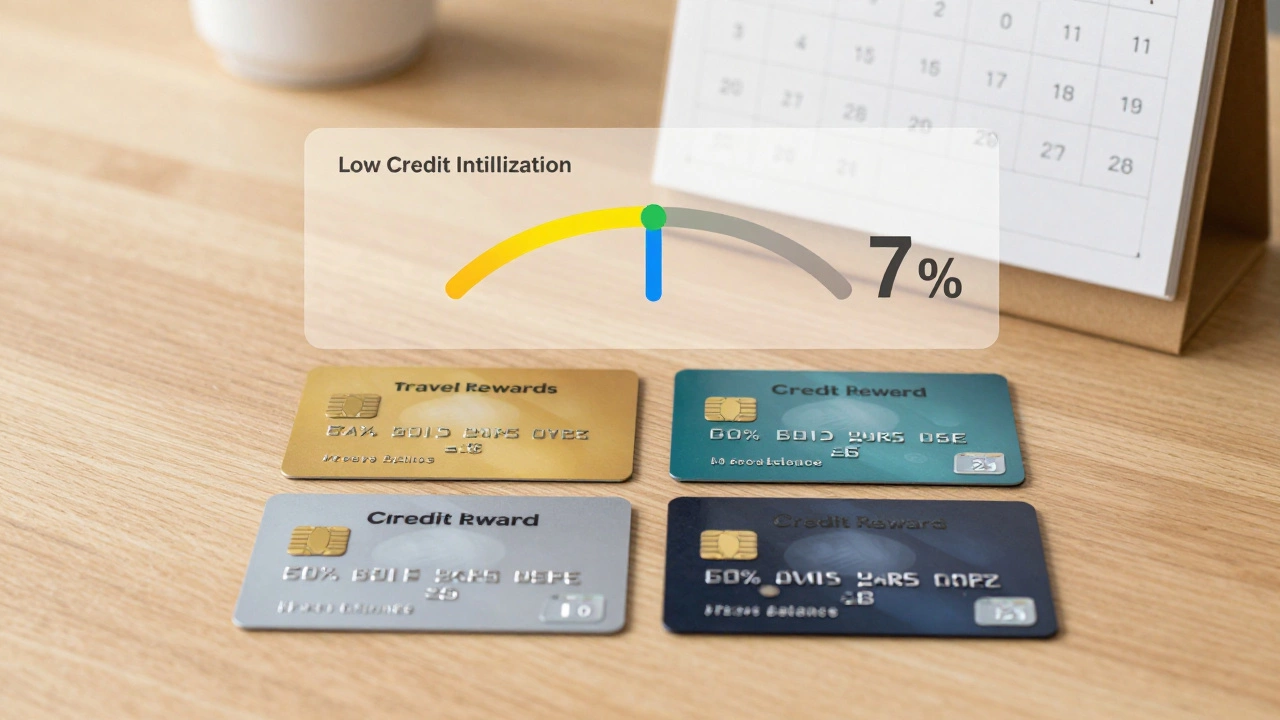
Having four credit cards isn't automatically bad-but it's not automatically good either. What matters is how you use them: pay on time, keep balances low, and avoid unnecessary debt. Learn when four cards help your credit-and when they hurt.

The 20% credit card rule helps you maintain a strong credit score by keeping your total card balances under 20% of your total credit limits. Learn how timing your payments can make a big difference.
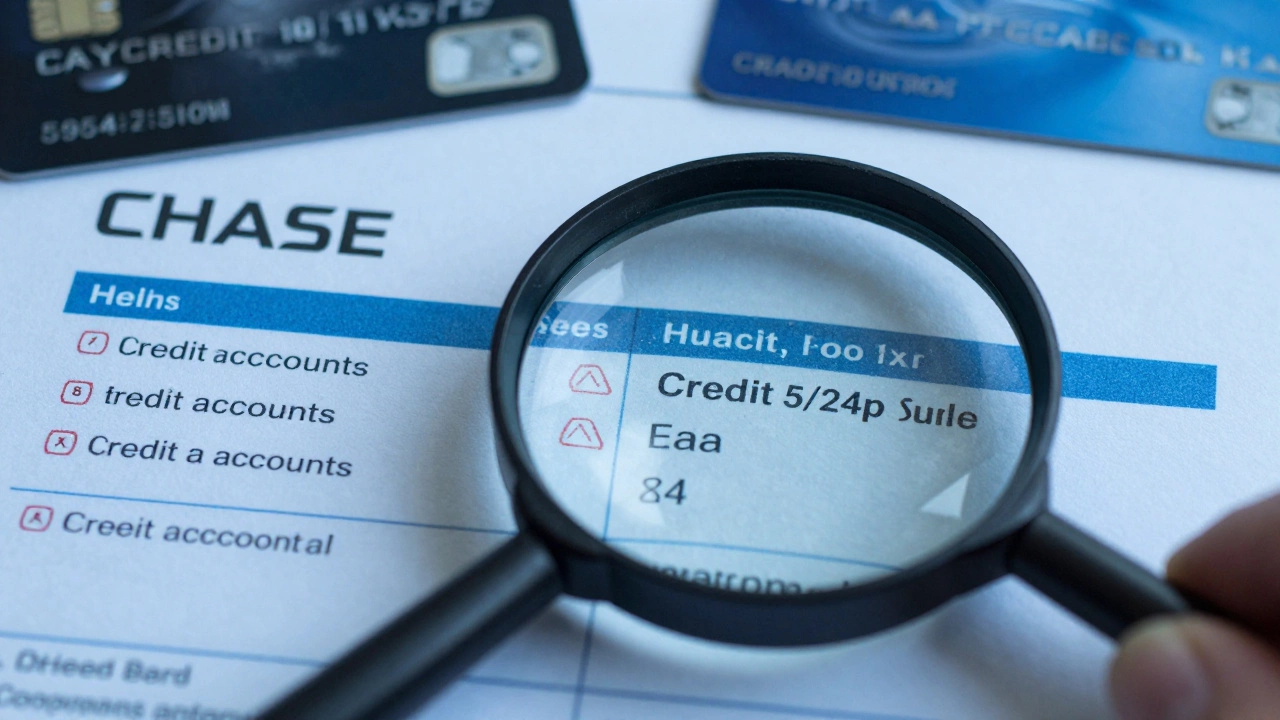
Learn how to legally beat Chase's 5/24 rule with smart strategies like business cards, authorized user accounts, and product changes - without hurting your credit score.
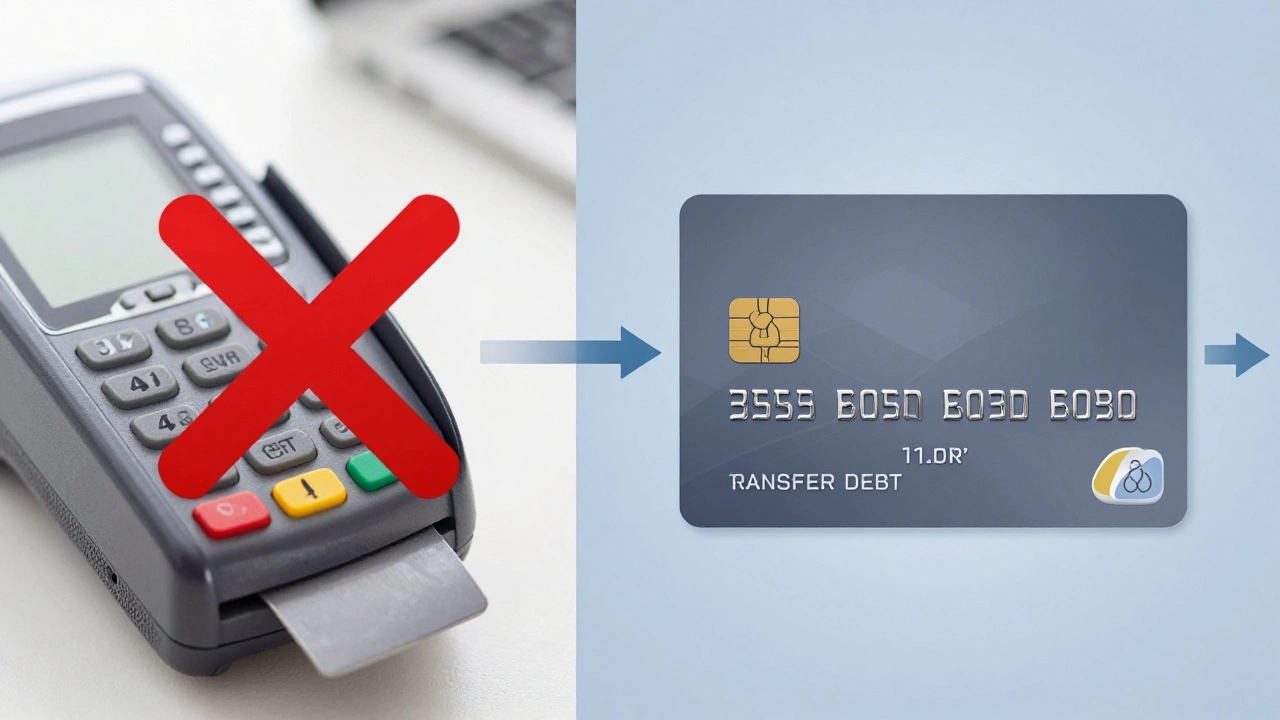
You can't pay a credit card bill with the same card, but you can transfer debt to another card with a 0% intro APR. Learn how balance transfers work, when they help, and what to avoid.

0 APR credit card offers seem like a deal, but they often trap users with hidden fees, high interest after the promo ends, and credit score damage. Here's why they're more dangerous than they look.

Is an Amex credit card worth the high annual fee? We break down real benefits, hidden costs, and who actually saves money - not just who spends more.

An 800 credit score isn't as rare as you think-about 1 in 10 New Zealanders have one. Find out what it really means, how to get there, and what benefits it actually gives you in 2025.